Start with the wall area you actually want changed
Douglas Taping offers skim coating in Short Hills, including the area around Cora Hartshorn Arboretum. The question here is how much rough wall to change: a few defects, a whole sound surface, or board that cannot stay. If you already paid for a skim coat and the painted finish looks wrong, use the separate post-paint skim-coat correction guide.
Short Hills is part of Millburn Township. If replacement is recommended, ask the contractor to include hauling rather than assume old drywall can go out with household trash. Millburn's sanitation guidance does not promise household collection for construction debris. The contractor should confirm disposal arrangements and any applicable local requirements before removal begins.
Walk the room and sort what you see into two groups. Nail holes, furniture dings and the occasional dent are isolated defects. Each can be filled and blended without touching the rest of the wall. Rough or orange-peel texture is different. It covers the whole surface, so smoothing one spot only makes the texture around it stand out more.
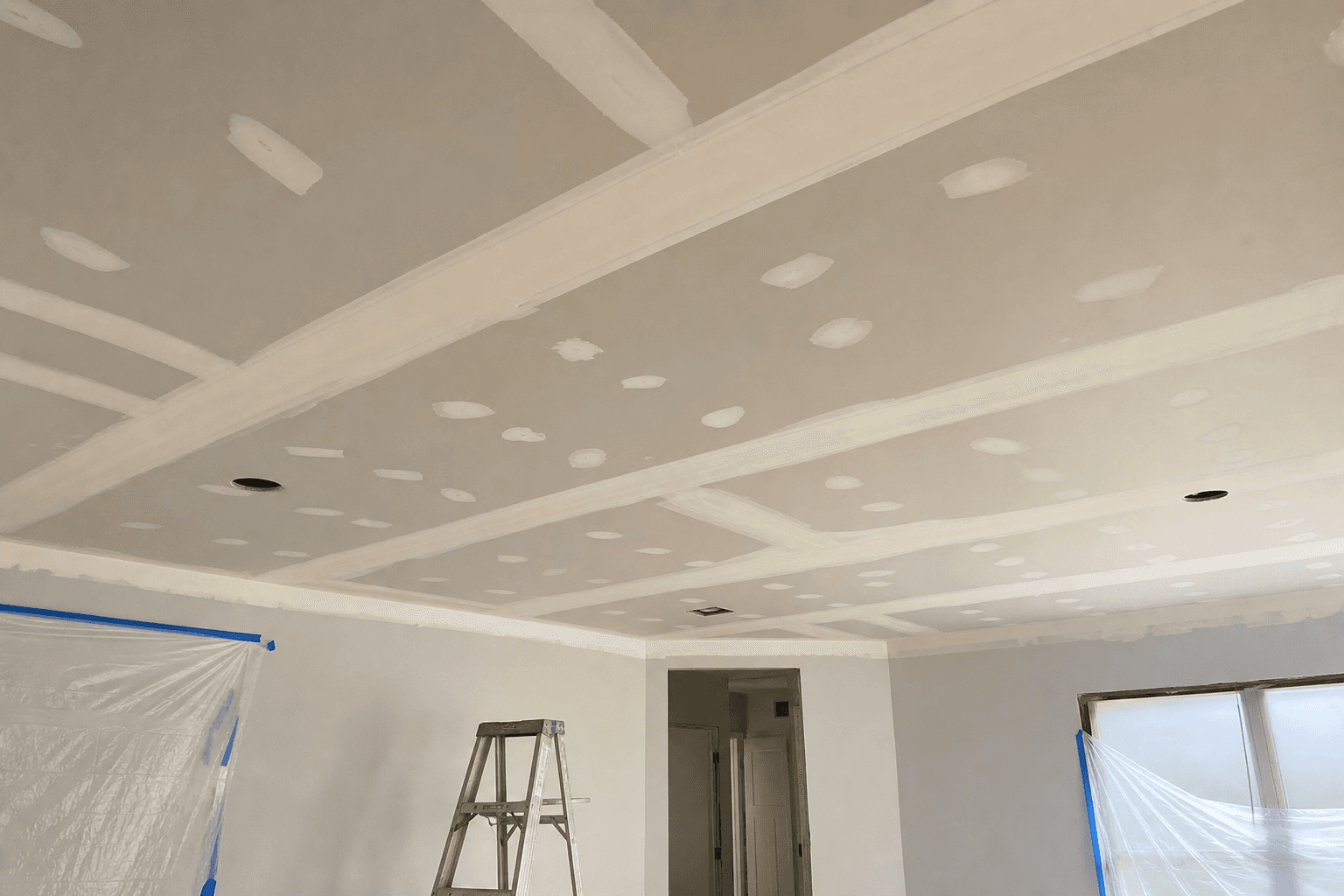
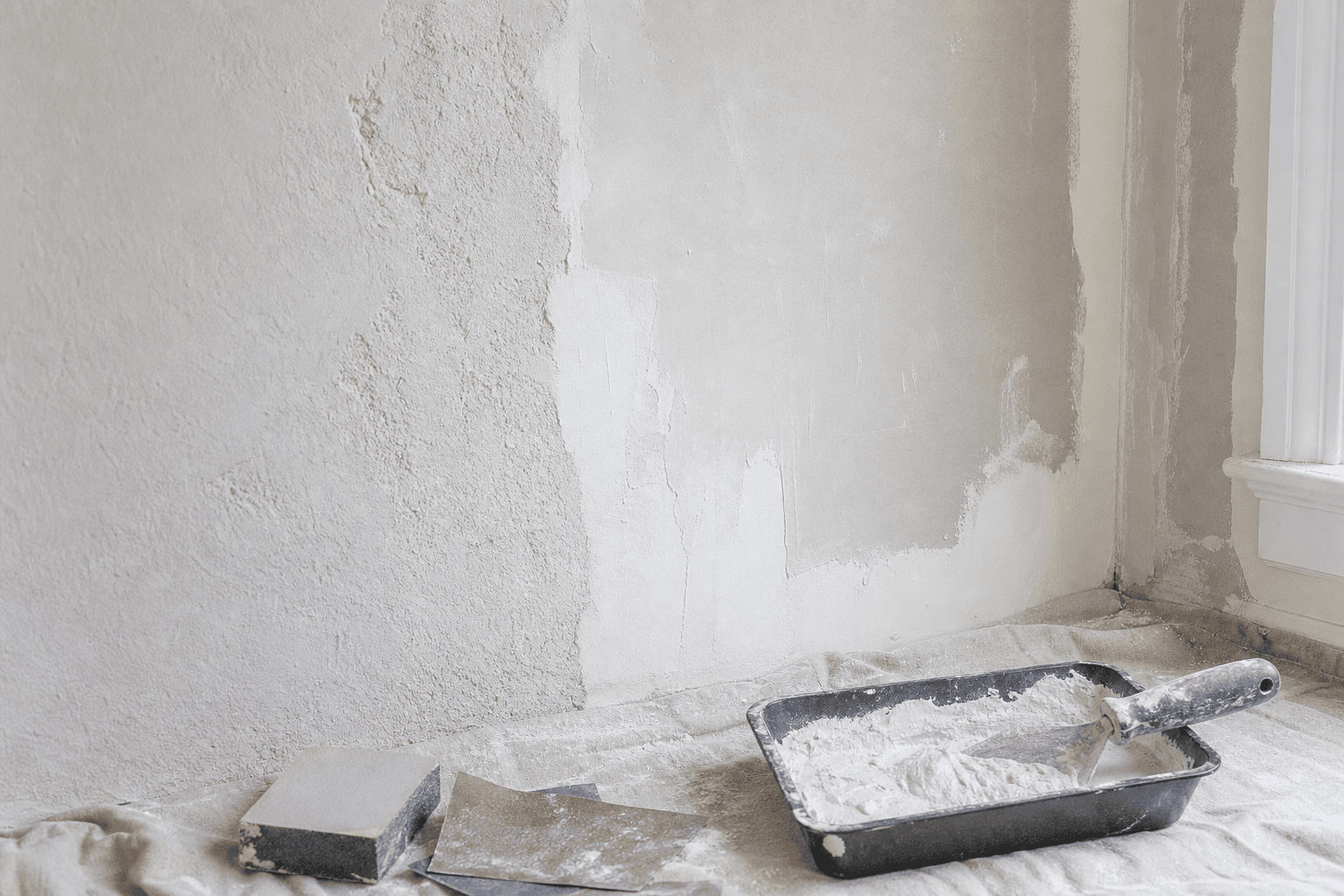
Skim coating deals with that second group. A skim coat is thin layers of joint compound, the same material used to finish drywall seams, spread across the entire surface. It levels texture and irregularities and leaves the existing board in place.
Often only one or two walls need full smoothing. A wall facing a window or the one behind a bed usually matters more than a corner hidden by furniture. If a wall's finish already looks fine to you, leave it out of the scope. Smooth walls are a preference, not an automatic upgrade or a reliable resale investment, and some people like a light texture because it hides minor flaws.
Separate cosmetic texture from damage that needs repair
Wanting smooth walls tells you the finish you are after. It does not tell you whether the wall underneath can take a skim coat. Compound over a sound, firmly attached surface is one job. Over a failing surface, it becomes a cover-up that may not last.
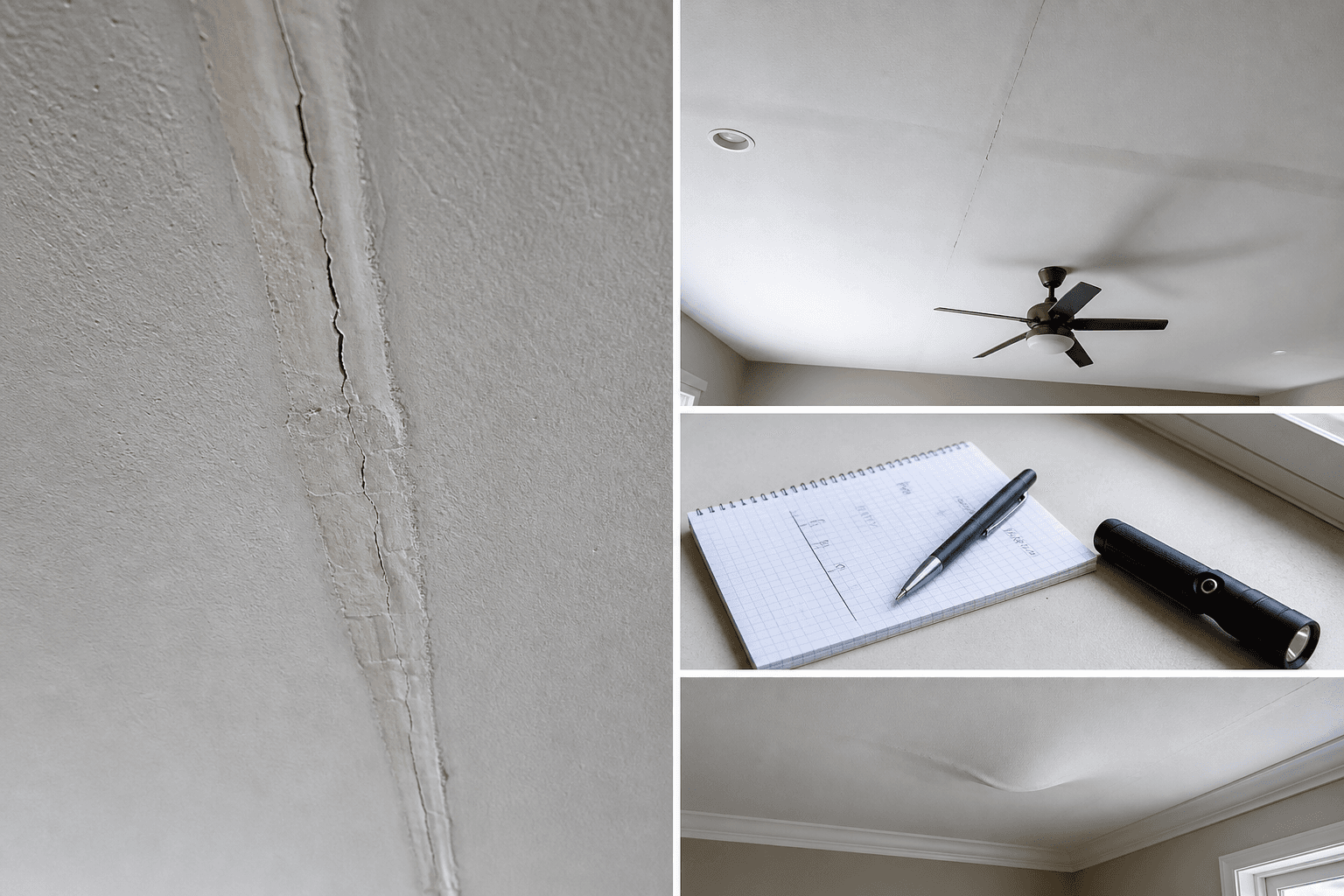
Drywall that feels soft, looks swollen, sags or is otherwise compromised calls for a damage and replacement assessment, not a cosmetic coating. That assessment may find a localized problem rather than a whole room. Nail pops or cracks that keep coming back also deserve a closer look. Covering a popped fastener is not the same as securing board that has pulled away from a stud, and a smooth coat over moving board may not stay smooth.
Cracked old plaster needs its own assessment. A skim coat alone will not permanently repair cracks or reattach loose material. An assessor may recommend plaster repair, an overlay or replacement; do not press or probe a suspect surface yourself. The plaster repair, overlay and removal comparison explains how those options affect access behind the wall and existing trim.
Staining, soft spots, a musty smell or a suspected leak call for a proper moisture or mold assessment first. Drywall finishing is not mold remediation, and if the cause is still active, a new coat can fail the same way the old finish did.
Find out what preparation the existing finish needs
Sound board or plaster makes skim coating an option, but the existing paint still needs checking. You do not need to identify the coating or texture by name. Show Douglas the wall and ask whether any preparation or repairs are needed before smoothing it.
Can you skim coat over a painted or textured wall? Often, but only after that check. Peeling or bubbling paint, or grease and residue on the surface, may need extra work first, and the estimator should say what that work is. A proposal that never mentions the existing finish has left a real question open.
Older paint, texture and joint compound can contain materials that should not be disturbed casually. If you don't know what the surface is made of, have it assessed for hazards before anyone sands or scrapes it. Covering a wall does not change what is underneath.
Plan for light, corners, trim and the finish you want
Sunlight from a side window and glossy paint can make small bumps more visible. Tell Douglas where the roughness bothers you most and share any paint choices you already have. If you are unsure about paint, ask for guidance.
Separate texture from shape. A skim coat smooths surface texture but does not necessarily straighten a wall that bows or waves. It is also not the same as a full Level 5 finish, the highest standard for drywall finishing, and no finish looks flawless under every light. Agree on what the finished wall should look like rather than relying on a vague promise of perfectly smooth walls.
Point out uneven corners and any molding you want to keep. Ask whether smoothing includes those corners and how the trim will be protected. If new drywall is recommended instead, Douglas should explain whether it would change the way the trim fits.
Weigh the work involved, not just the result
Skim coating takes patience and practice, especially across a whole room. It also needs drying time between stages. Ask how long the room will be out of use and whether the result you want is realistic for a DIY project before buying materials.
Disruption matters as much as skill. Ask who moves the furniture, how floors, trim and nearby rooms will be protected, how dust will be controlled, what the plan is for children, pets or anyone sensitive to dust, and what cleanup is included. Get the answers in writing.
One small wall headed for flat paint, where a decent but imperfect finish is acceptable, can be a reasonable DIY project. Professional help is more likely to pay off for several rooms, tall walls or a finish that must hold up under strong side light.
Compare estimates that cover the same scope
Skim coating is not automatically cheaper than replacement. It skips buying and hanging new board, but smoothing an entire wall takes considerable finishing labor, and both approaches involve preparation that never appears on a material list. No reliable like-for-like comparison shows it always costs less than an overlay or replacement.
Show each contractor the same walls and explain whether you want a few spots repaired or the whole surface smoothed. Share photos and any paint plans you already have. The contractor should measure the work; you do not need to calculate wall area from the room's floor size.
Then ask what each price includes. Are preliminary repairs part of it or priced after the surface is assessed? A replacement proposal should say who removes the old board and handles disposal, and every option should say who protects the room, who primes and who paints. A lower total only means something when the proposals match.
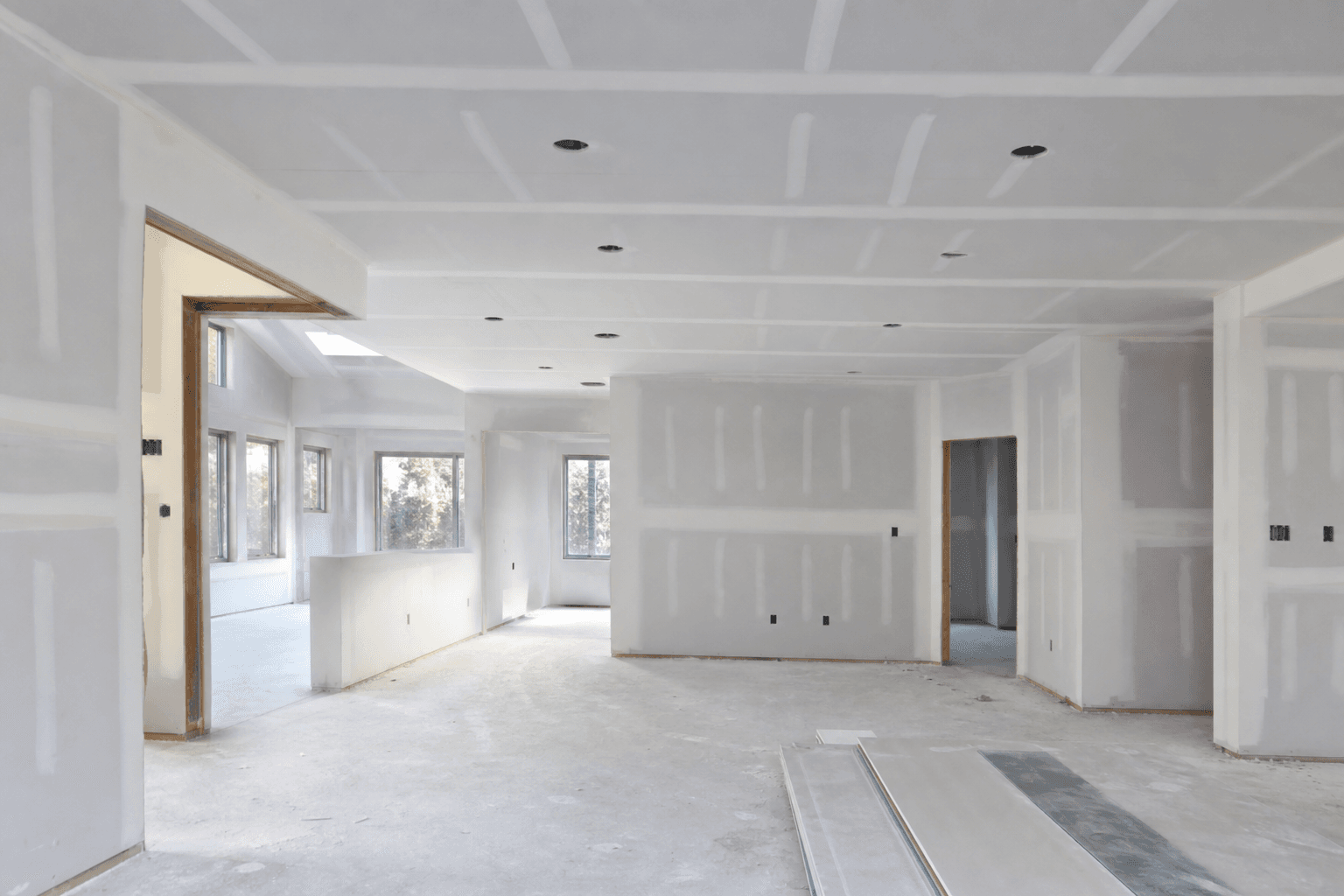
For a Short Hills replacement quote, ask: "Does this include taking away the old board, and where will it be kept while you work?" The contractor should arrange hauling without blocking rooms you still use. Suspect hazardous materials need specialist assessment and handling, not ordinary debris disposal.
Douglas Taping offers skim coating, spot patching, plaster repair and drywall installation in Short Hills. Painting is available only with drywall work. Call (877) 551-9553 with whole-wall photos and close-ups of the defects; we review the scope and arrange a site visit when needed.
Common questions
Is it worth it to skim coat walls?
It can be worthwhile when roughness across a sound wall bothers you. A few dents may only need spot patching. Show Douglas the result you want and let the assessment establish whether the wall can be smoothed as it is.
Is it cheaper to skim coat or replace drywall?
Not automatically. Skim coating avoids removing board but still takes finishing work. Ask for prices covering the same rooms and finished appearance, with removal and hauling included in any replacement option. The contractor handles measurements.
Can I skim coat over painted or textured walls?
Often, if the existing finish is firmly attached and suitable for the new coating. Douglas should assess preparation and any repairs first. Suspect older materials need hazard assessment before sanding or scraping.
Should I skim coat or drywall over textured plaster?
A skim coat smooths sound plaster without adding a new board layer. A drywall cover changes how the wall meets trim and needs an assessment of support. Loose or failing plaster must not simply be hidden; ask which repair options are suitable.
What are the disadvantages of skim coating?
It takes several stages and disrupts the room while the work dries and is smoothed. It cannot repair loose board or plaster and may not straighten a wavy wall. Ask what improvement is realistic and how dust and room access will be handled.
How long does a skim coat last?
There is no fixed lifespan. The condition underneath matters: movement, moisture or loose material can cause defects to return. Have those problems assessed before paying for a new surface.