
Douglas Taping logo

Skim Coating

Thin coats of compound over full walls or ceilings to smooth rough texture, old patches, and uneven surfaces.

Get a Free Estimate
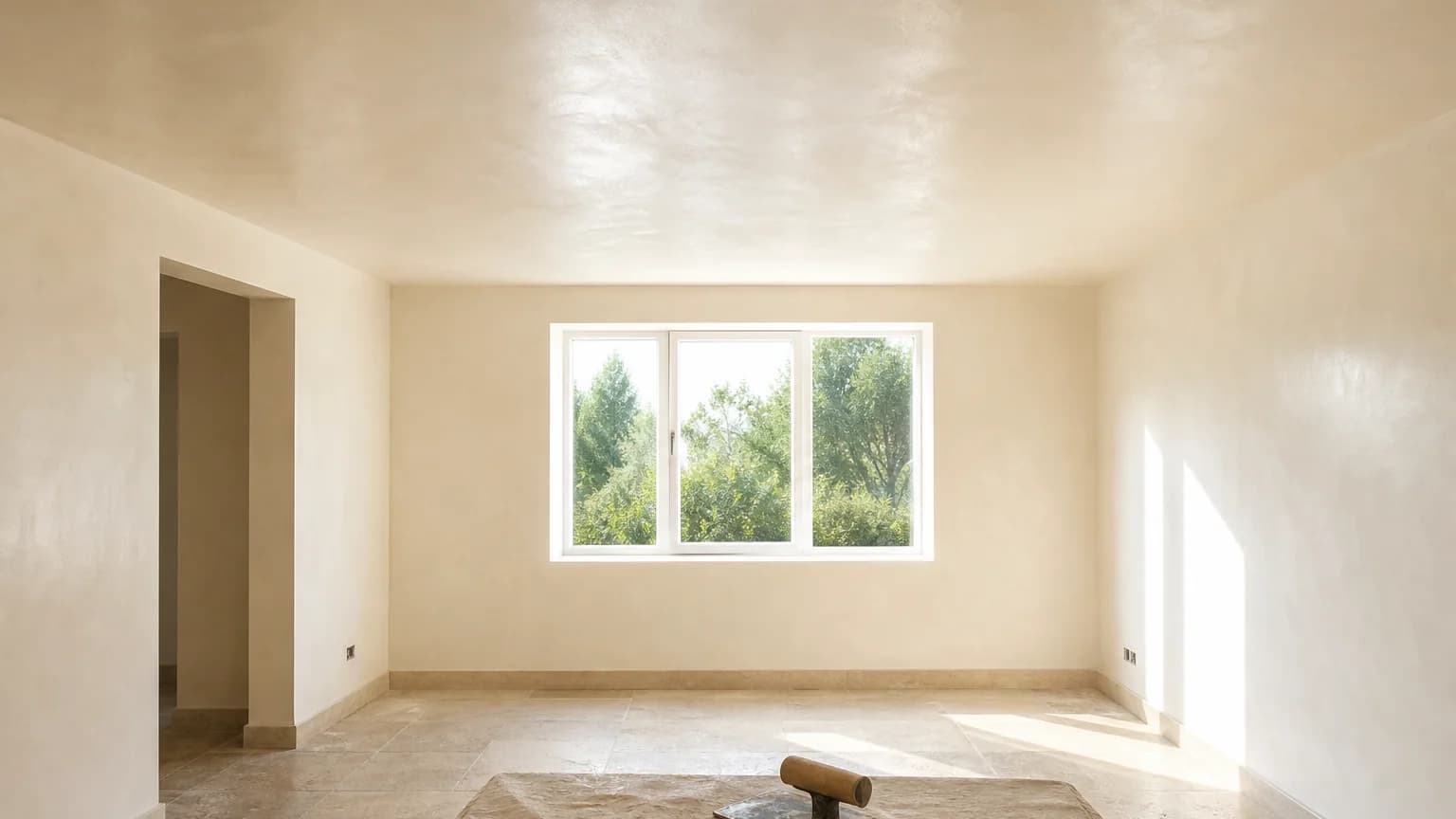
Illustration: A smooth skim-coated interior surface in natural light
Illustrative image of this service, not a Douglas Taping job-site photograph.

Skim coating smooths an entire wall or ceiling with thin coats of joint compound rather than treating only isolated defects.

When is skim coating better than patching

Skim coating is better than patching when the entire wall or ceiling is rough, textured, torn, or covered with many old repairs. Patching works for isolated damage; skim coating treats the whole surface so paint does not reveal a patchwork of small fixes.

Douglas looks at the surface condition, light, paint sheen, and whether the board or plaster is sound. If the material underneath is soft, wet, loose, or failing, replacement or lamination may be a better answer than skim coating.

Related work: Wall Skim Coating, Ceiling Skim Coating.

How is a wall prepared for skim coating

A wall is prepared for skim coating by removing loose material, addressing damaged paper, checking for moisture, repairing cracks that need reinforcement, and making sure the surface can bond properly. Skim coating over unstable material only moves the failure closer to the paint stage.

Edges around trim, corners, outlets, and ceiling lines also matter. Douglas plans those transitions before coating because skim work that looks smooth in the middle can still show at the borders if the prep is rushed.

Related reading: Skim Coating in Millburn: Why Is the Wall Rough After Paint?, Skim Coating in Short Hills: Smooth Rough Walls or Replace?.

Does lighting change the skim coat decision

Yes, lighting changes the skim coat decision because raking light exposes ridges, texture, and old patch edges. A wall or ceiling that looks acceptable under soft light may look uneven once sunlight or fixtures wash across it.

Douglas asks about paint sheen and room lighting for that reason. Darker colors, glossier paint, long walls, and ceilings with strong fixture light are more likely to need broader surface smoothing than low-light areas.

Questions about this work

When is skim coating worth it?

It is worth discussing when roughness, texture, old patches, or torn paper affect a whole wall or ceiling and the surface underneath is sound.

Is skim coating cheaper than replacing drywall?

Not automatically. Skim coating avoids hanging new board, but full-surface finishing is labor intensive. Compare estimates covering the same surfaces and finish expectations.

Can a skim coat fix cracked plaster?

A skim coat alone may not stop old plaster cracks from showing again. Repair, lamination, or replacement may be better depending on the plaster condition.

Can you skim coat over painted walls?

Often, if the paint is sound, clean, and suitable for the products used. Peeling, bubbling, or unknown older materials need assessment first.

Is skim coating the same as Level 5?

In drywall finishing, Level 5 includes a thin coat over the entire surface. Skim coating is the practical full-surface smoothing step.

Get Started

Get a Free Estimate

Send a wide photo, a close-up of the work area, your town or address, and the finish you want after the repair.

Upload up to 5 photos to help us provide an accurate estimate. (Max 10MB each)

Response within 24 hoursPrefer to call? (877) 551-9553