
Douglas Taping logo

Spackling & Patching

Spot repairs for wall and ceiling holes, dents, nail pops, cracks, and damaged drywall sections.

Get a Free Estimate
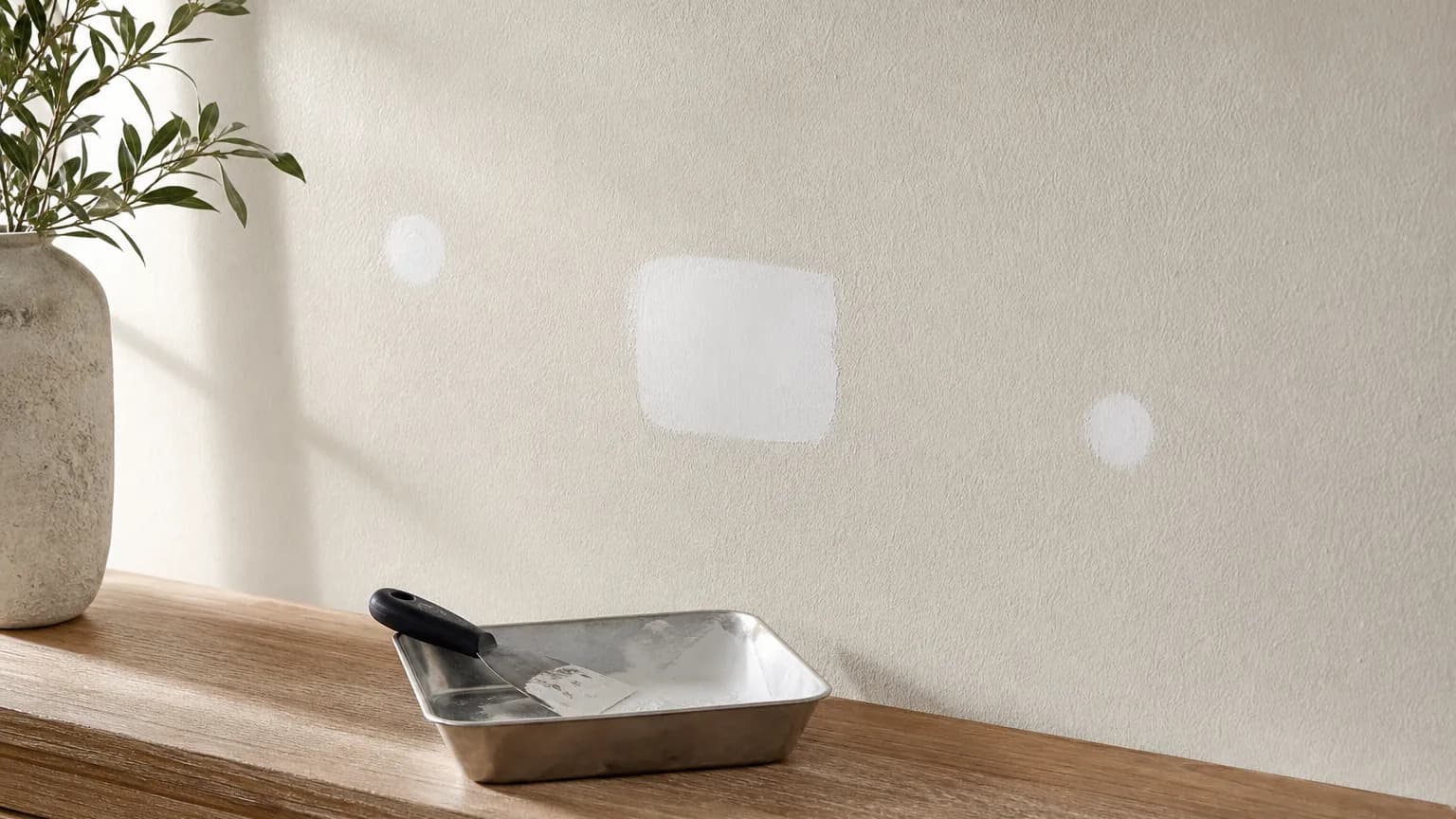
Illustration: Small wall repairs and patches prepared for finishing
Illustrative image of this service, not a Douglas Taping job-site photograph.

Spackling and patching covers localized wall and ceiling repairs, from nail holes and dents to access openings, cracks, and damaged drywall.

Which wall and ceiling damage can be patched

Wall and ceiling damage can be patched when it is localized and the surrounding drywall or plaster is still sound. Nail holes, dents, access cuts, doorknob holes, small cracks, and bounded damaged sections are common patching situations.

Patching is not the right word for every surface problem. Sagging ceilings, soft water-damaged board, widespread nail pops, failing plaster, or a whole rough wall may need replacement, lamination, or skim coating instead of a spot repair.

Related work: Wall Spackling, Ceiling Spackling, Drywall Hole Patching.

How do you decide between spackle and a real patch

Use spackle for shallow surface defects; use a real patch when the board is broken through, unsupported, cracked at a joint, or missing. A through-hole usually needs backing, a patch piece, tape, compound, and finishing, not filler alone.

Douglas looks at depth, edges, movement, material, and what caused the damage. If the opening came from electrical or plumbing work, the responsible trade should confirm it is ready to close before drywall repair begins.

Related reading: Drywall Repair in Millburn After Electrical Work: When to Close Openings, Wall Patching in Millburn Before Repainting: Spot Repairs or Full-Wall Prep?.

Will a spot repair blend after paint

A spot repair blends after paint only when the patch is flat, feathered, primed correctly, and compatible with the surrounding texture, color, sheen, and light. Even a smooth repair can stand out if the old paint has faded or the wall catches side light.

Douglas can finish the repair to a paint-ready surface, but painting scope should be clear. Sometimes touch-up paint works; other times the full wall or ceiling should be painted for the repair to disappear.

Questions about this work

What is the difference between spackling and patching?

Spackling usually means filling small surface defects. Patching can involve replacing or supporting a damaged drywall section, taping its seams, and finishing it into the surrounding surface.

Why do nail pops come back after spackling?

If the drywall is moving against the framing, filling the surface does not stop the movement. Multiple recurring nail pops may point toward a broader fix such as lamination.

Can you patch holes after electrical or plumbing work?

Yes, once the responsible trade confirms the opening is ready to close. Access holes often need more than spackle because they go through the wall surface.

Will I need to repaint the whole wall?

Not always. It depends on the existing paint color, sheen, texture, lighting, and where the repair sits. Some repairs can be touched up; others look better with the full wall painted.

When is skim coating better than patching?

Skim coating is worth discussing when roughness, old patches, or texture affect a whole surface. Patching is better for isolated holes, dents, and bounded damage.

Get Started

Get a Free Estimate

Send a wide photo, a close-up of the work area, your town or address, and the finish you want after the repair.

Upload up to 5 photos to help us provide an accurate estimate. (Max 10MB each)

Response within 24 hoursPrefer to call? (877) 551-9553