
Douglas Taping logo

Wall Spackling

Small wall holes, dents, dings, and nail marks filled, feathered, and prepared for paint.

Get a Free Estimate
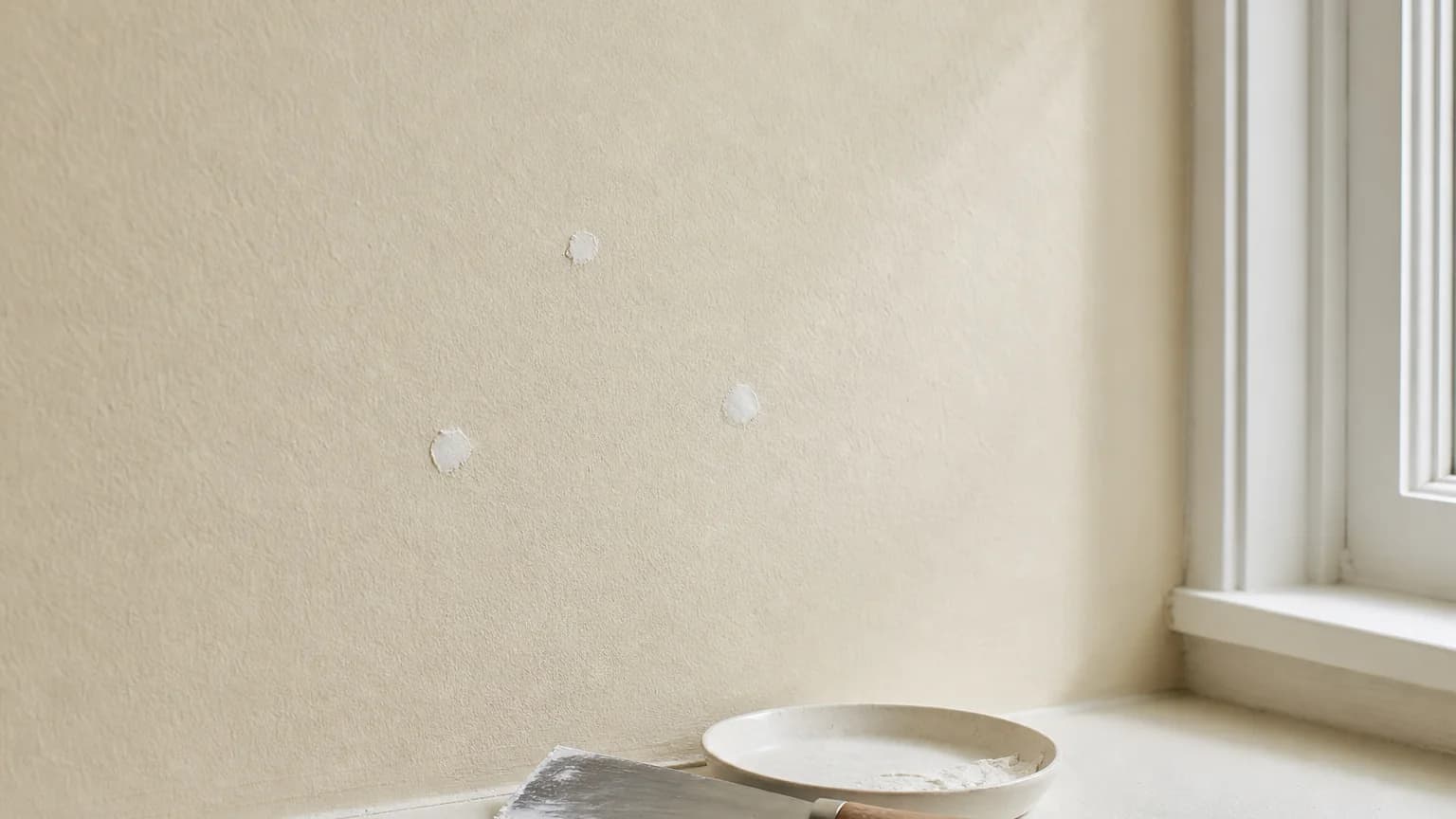
Illustration: Small dents and nail holes filled on an interior wall
Illustrative image of this service, not a Douglas Taping job-site photograph.

Wall spackling handles small surface defects in drywall or plaster walls so the wall is smooth enough for primer and paint.

When is wall spackling enough

Wall spackling is enough when the damage is shallow, isolated, and the wall around it is sound. Small nail holes, picture-hanger marks, light dents, and minor surface chips can often be filled, feathered, sanded, and prepared for paint.

Spackling is not enough when the drywall paper is torn deeply, the hole goes through the board, the surface is moving, or the whole wall is rough. Those conditions may need patching, tape, skim coating, or replacement instead.

Related work: Spackling & Patching, Ceiling Spackling, Drywall Hole Patching.

Why do nail pops come back after repair

Nail pops come back when the drywall keeps moving against the framing or the fastener was never properly reset. Filling the dimple alone can make it look better for a short time, but movement can push the spot through again.

Douglas checks whether the pop is isolated or part of a larger pattern. If many pops show up with old seams and uneven patches, lamination or broader wall repair may make more sense than chasing each spot one by one.

Related reading: Drywall Repair in Millburn After Electrical Work: When to Close Openings, Wall Patching in Millburn Before Repainting: Spot Repairs or Full-Wall Prep?.

Should rough walls be skim coated instead

Rough walls should be skim coated instead of spackled when the whole surface has texture, torn paper, many patches, or uneven compound. Spackling treats individual spots; skim coating treats the full wall plane.

The decision depends on how the wall will look after paint. If side light, darker color, or satin paint will reveal old patches everywhere, Douglas may recommend a skim coat rather than dozens of small repairs.

Questions about this work

What kinds of wall damage can be spackled?

Small nail holes, hanger holes, dents, dings, and shallow surface marks are typical. Larger openings or damaged board may need drywall patching instead.

Can you spackle plaster walls?

Small plaster wall repairs can be handled, but texture and thickness need to be matched so the repair does not stand out next to the original surface.

Will spackling hide old paint lines or wall texture?

Spackling fixes individual defects. If the whole wall has uneven texture or many old patches, skim coating may be a better discussion.

Can I paint right after wall spackling?

The repair needs to dry, be sanded, and be ready for primer or paint according to the products used. Do not rush paint over soft filler.

Should I send photos for small wall spackling?

Yes. Send close-ups of typical defects and one wide photo of each affected wall so Douglas can see how many spots there are.

Get Started

Get a Free Estimate

Send a wide photo, a close-up of the work area, your town or address, and the finish you want after the repair.

Upload up to 5 photos to help us provide an accurate estimate. (Max 10MB each)

Response within 24 hoursPrefer to call? (877) 551-9553