Agree on where wall repair ends and painting begins
Before accepting an estimate, ask what the walls will be like when the repairer leaves and what remains for the painter. A clear answer prevents unfinished preparation from becoming a surprise on painting day.
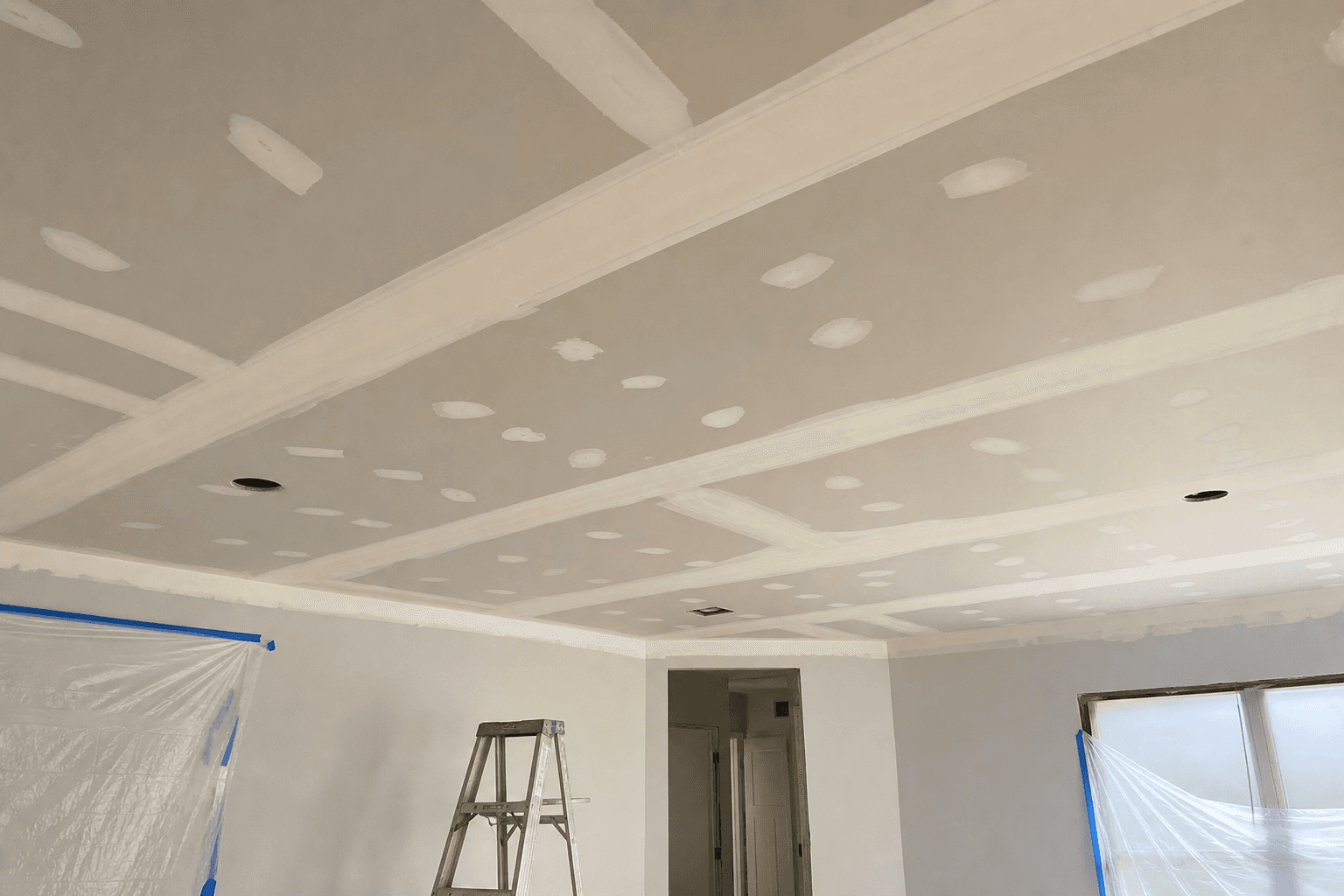
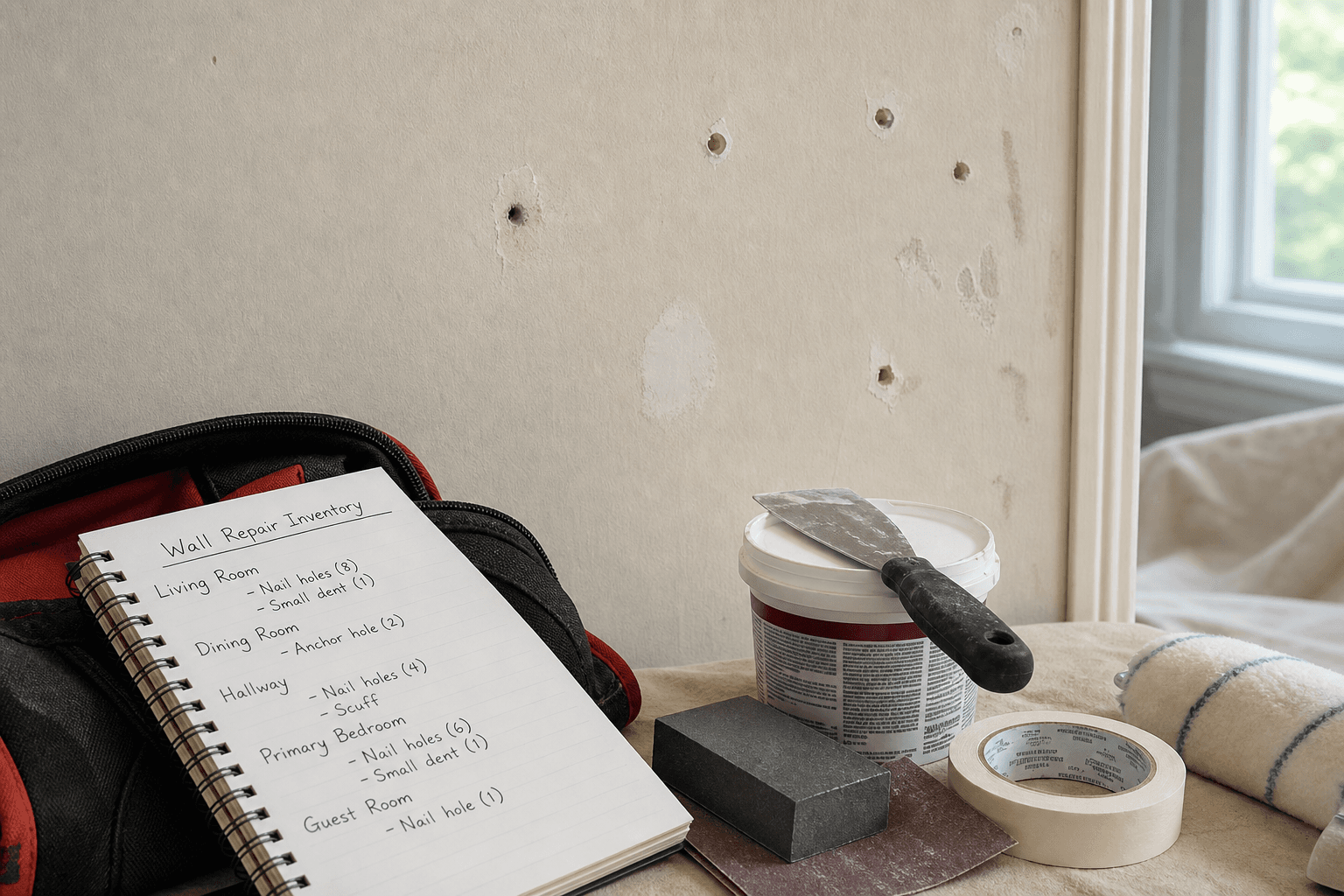
Our spackling and patching work covers nail holes, dings and dents. Each repair is feathered, meaning its edges are blended into the surrounding wall so it doesn't read as a raised or sunken spot. The result is described as finished for painting. That phrase describes the surface. It does not mean finish painting is included.
Douglas Taping offers wall patching in Millburn, including the downtown area around Taylor Park's Millburn Avenue entrance. Painting is available as an add-on to wall repair, not as a standalone service. If another painter is involved, ask Douglas to agree with them on when the walls will be ready.
A cosmetic repaint does not automatically require a construction permit. New Jersey's ordinary-maintenance rules cover painting and some limited wall repairs, but not every renovation or work affecting structural or fire safety.
If the work expands beyond cosmetic repairs, ask the contractor to confirm requirements with the Millburn Building Department. You do not need to measure wall areas to interpret the rules. Openings left by an electrician need a different handoff; see the electrical-opening repair guide.
Show the damage that bothers you
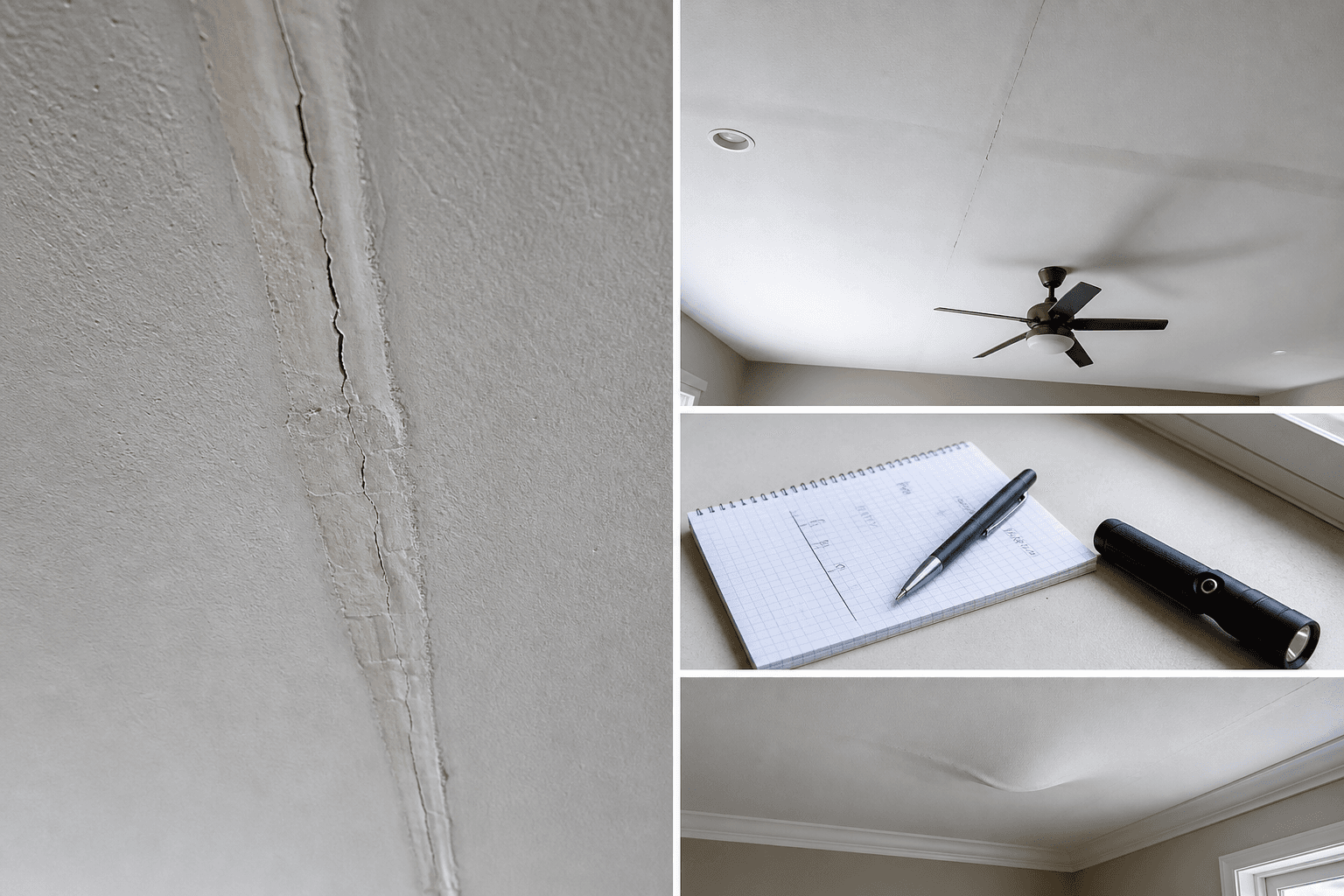
Share a few photos of the walls you want repainted and point out the spots that bother you. Say whether you want a few dents fixed or a rough wall made smooth. If a crack or raised spot has returned after repair, mention it. Douglas can identify the wall material and measure the work.
Keep two groups apart. Individual holes, dings and dents go in one. Widespread roughness, old seams showing through the paint and nail pops that keep returning go in the other. A nail pop is a fastener head pushing up under the paint. When one reappears after being filled, the drywall may be moving against the framing behind it, and another layer of filler does nothing about that movement.
A whole-wall photo and a closer view of typical damage are enough to start the conversation. You do not need to count every nail hole. Share the same goals with each contractor and let them confirm the repairs during the assessment.
Flag stains, areas that look soft or bowed, plaster that appears loose and cracks that return. Those need assessment, not automatic filler. Keep your part observational: don't press, cut, scrape or sand to learn more. A photo shows the surface, but it can't show whether moisture, loose attachment or another hidden condition has been dealt with.
Choose spot repairs or broader smoothing
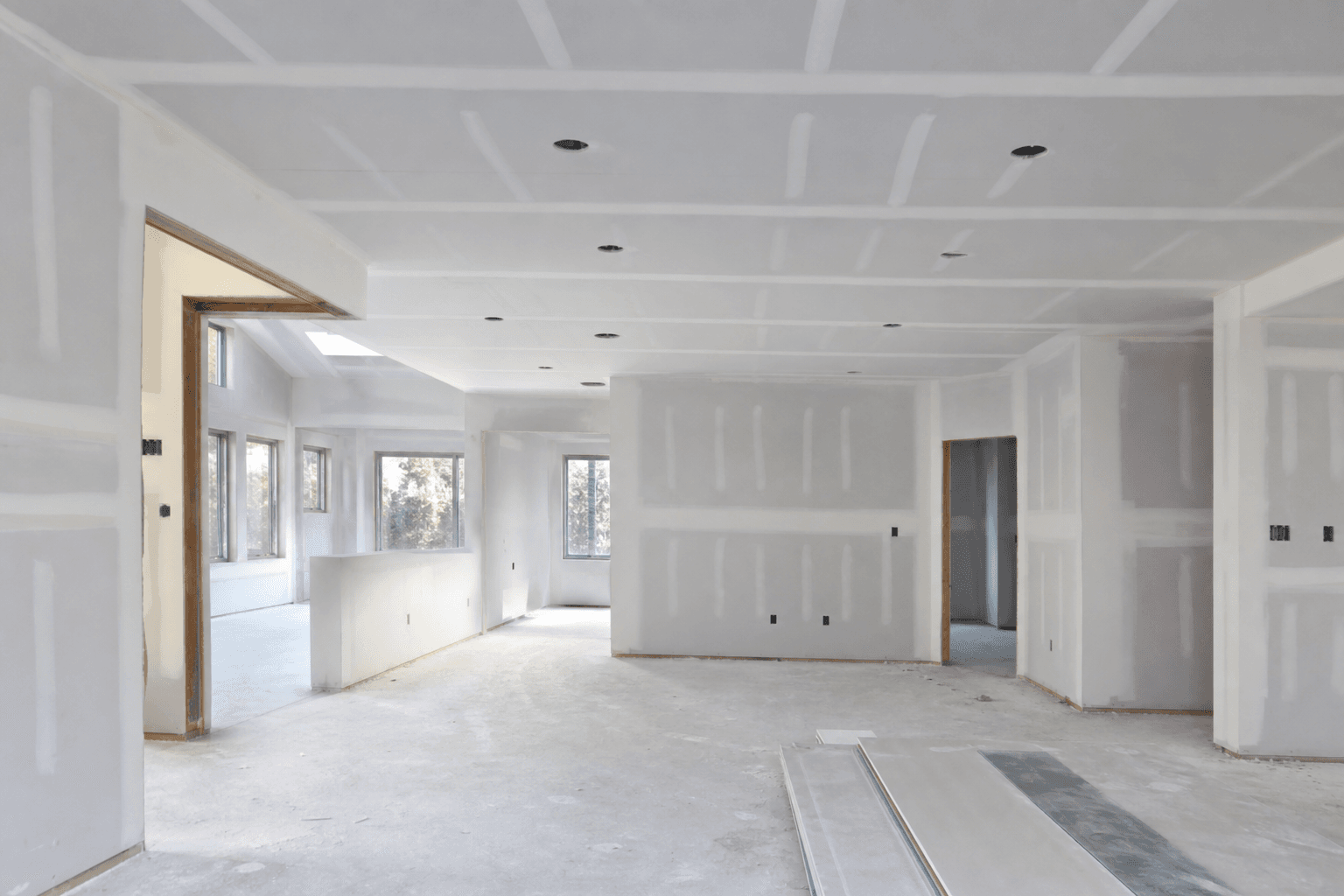
A few nail holes and a wall that looks rough all over are different jobs and should be priced as different scopes. Patching some defects doesn't mean the whole room needs resurfacing. Spackling treats individual defects. Skim coating applies a thin finish across an entire wall or ceiling to even out widespread roughness. We offer both, but which one suits your room depends on how the walls look in person.
Even a well-feathered patch can show under some conditions. Light falling across a wall at a shallow angle, such as from a window beside it, makes unevenness easier to see, and so does glossy paint. Tell whoever quotes the job what sheen you plan to use and how the room is lit, because that helps decide whether spot work is enough or broader smoothing is worth including.
Smoothing a full wall and repainting a full wall are separate decisions. You might skim one wall and repaint the whole room, or patch a few spots and repaint a single wall.
Fixing a few small dents yourself is reasonable if you know the wall material, the full extent of the damage, a filler suited to that surface and what safe preparation requires. If any of that is uncertain, or the damage is widespread or keeps returning, get an assessment first. Don't sand or scrape older coatings or wall materials until they have been checked for hazards, and don't cut or fasten into a wall where wiring or pipes may be hidden. If you're weighing more extensive work, it helps to compare resurfacing with replacement.
Set a clear handoff to the painter
Ask Douglas and the painter to check the repaired walls together before painting begins. You can point out anything that still bothers you, but you should not have to judge whether filler is dry or the surface is technically ready for paint.
Ask two practical questions: "How will you protect and clean the room?" and "What will be left for the painter?" Have the answers included in the quote so preparation does not fall between trades.
The contractor should choose compatible products and allow the drying time they need. Ask when the painter can start rather than trying to set that schedule from a generic rule.
Talk through where repainting will stop. A touch-up over one patch sometimes blends in and sometimes shows, depending on the existing color, sheen, texture and paint condition and the new coating system. None of that is known until someone looks at the wall. Some repairs call for repainting a full wall; that doesn't mean every repair requires repainting the whole room.
If the house has older paint or plaster, settle one more thing before any sanding or scraping: who is responsible for assessing those materials and handling any containment and cleanup they require.
Ask what each estimate includes
Send your Millburn address, photos, the result you want and your preferred timing. Mention stains, returning cracks, rooms that must stay usable and whether another painter is involved. That is enough to begin; no repair inventory or measurements are needed.
We review scope by phone or photos and arrange a site visit when one is needed. Our quote form accepts up to five photos, each no larger than 10 MB, so pick a mix: close-ups showing the depth and edges of typical damage, and wider shots showing how much of each wall is affected.
Then ask what tends to go unasked. Will this particular small job be accepted? Is there a minimum? Which preparation tasks are included, and is any painting part of the price?
Compare whether each estimate offers spot repairs or full-wall smoothing and whether painting is included. If one recommends broader work, ask what improvement you should expect. A lower total may simply leave more for your painter to do.
Submitting a quote request doesn't create a binding estimate. We review the details and confirm scope first, and scheduling depends on availability, project size, materials and site access, so don't book a painter's start date from the form alone.
Ask for any unclear exclusions to be explained before agreeing to the work.
For wall patching in Millburn before repainting, call Douglas Taping at (877) 551-9553 with photos and a description of what you want changed. Ask whether spot repairs will be enough and how the work will connect with painting.
Common questions
Who can handle wall repairs in Millburn before painting?
Douglas Taping offers spackling and patching for nail holes, dings and dents in Millburn. Share photos and ask whether your job is a fit. Painting is available as an add-on to wall repair, not as a standalone service.
Do I need to paint the entire wall if I patch a hole in it?
Not always. A touch-up may blend, but differences in color, sheen or texture can still show. Ask whether repainting the full wall would give a more even result. That does not automatically mean repainting the whole room.
Do you have to wait for spackle to dry before painting?
Yes. The repairer and painter should allow the time required by the products they use and confirm the wall is ready. You do not need to manage the drying schedule. Suspect older coatings need assessment before sanding or scraping.
How much should it cost to patch a hole in drywall?
It depends on the damage and the result you want. Share photos and ask whether the quote includes smoothing, cleanup and painting. A small-job minimum may apply, so ask before comparing totals.
How big a hole in drywall can be fixed by spackle alone?
There is no universal size limit. Spackle suits small, shallow flaws; deeper openings or returning damage need assessment. Leave the method to the repairer, especially where wiring, pipes or uncertain older materials may be involved.