Confirm which openings are ready to close
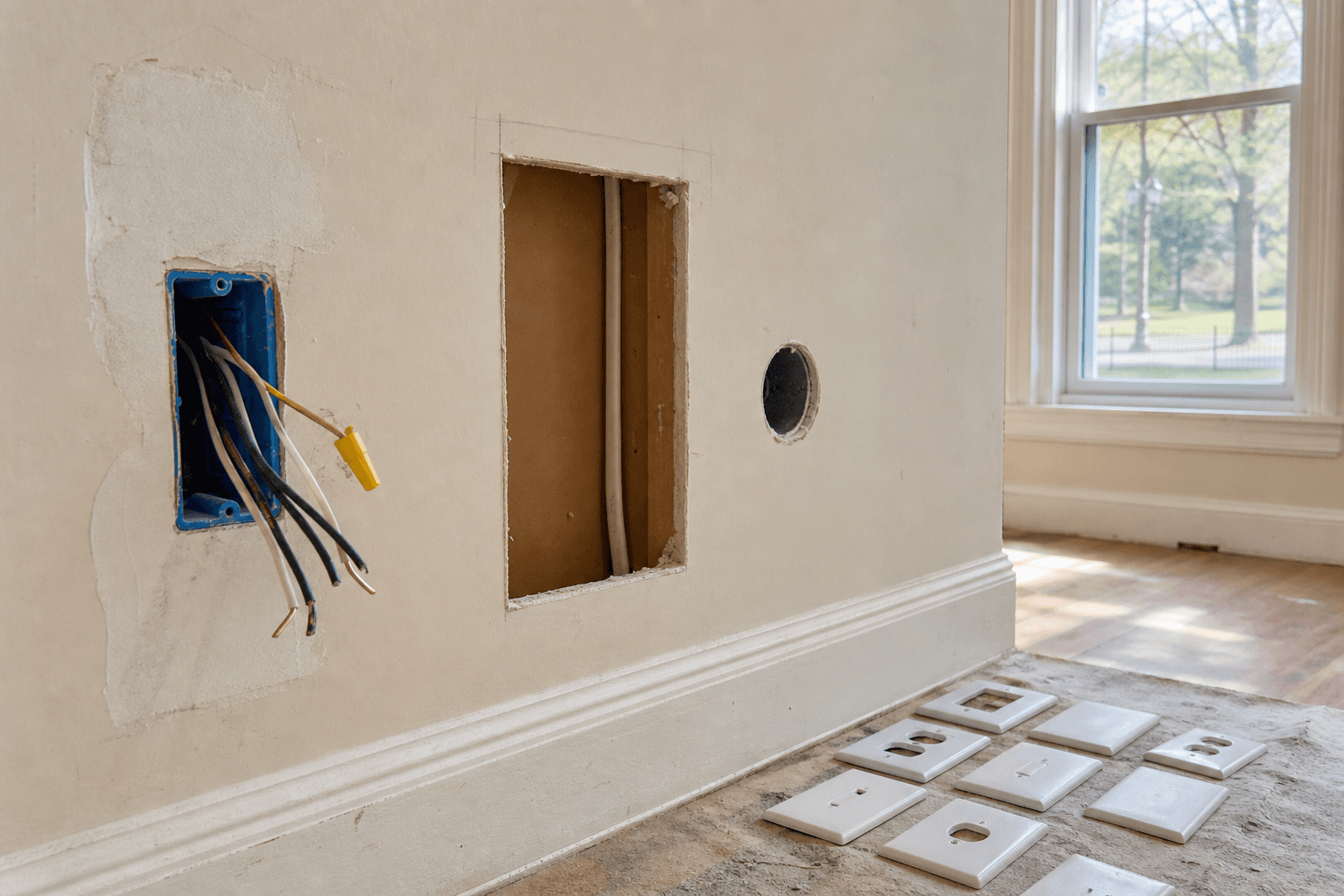
After an electrician adds circuits, rewires a room or traces a fault, you may be left with openings in several walls and ceilings. They should not be closed until the person responsible for the electrical work confirms it is finished and any required inspection process allows the walls to be covered.
Douglas Taping serves Millburn, including downtown homes around Taylor Park's Millburn Avenue entrance, and offers spackling and patching, taping and finishing, and plaster repair. Patching the wall is a separate question from whether the wiring is complete, safe or ready to be hidden. That decision belongs to the electrical professional and, where one applies, the inspection process.
Arranging a patching assessment and authorizing closure are two different steps. The first works out what repairing each opening involves. The second confirms the electrical side has cleared it. You can line up the assessment while you wait for clearance, as long as nothing is covered early.
Ask the electrician to coordinate any required inspection with the Millburn Building Department and tell Douglas which openings can close. An inspection appointment is not permission to cover work. You do not need to search permit records or manage an opening-by-opening approval list.
Ask the electrician and Douglas to agree on readiness directly, including anything that must remain accessible. Also ask whether the electrical price includes wall repairs. An electrical quote may end at the access hole, leaving restoration as a separate job.
Show Douglas the openings left behind
Tell Douglas which rooms were affected and share a few photos. Mention openings inside closets or above you on the ceiling so they are not overlooked. The estimator can check sizes, wall materials and repair methods during the assessment.
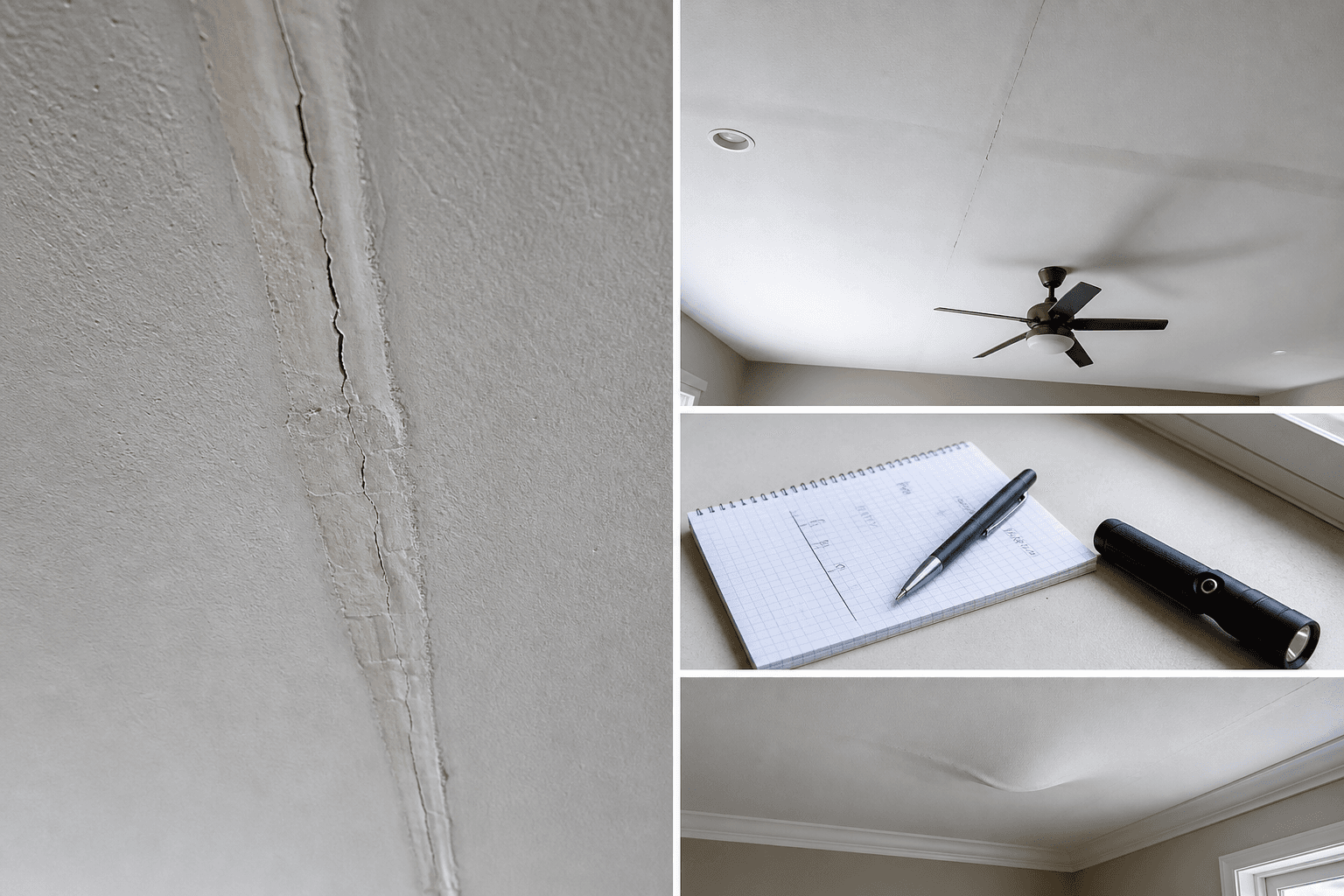
Photos work best in pairs: one wide shot that shows the opening in the context of the room, then a close-up of the edges. Shoot from where you can stand comfortably and leave the opening as it is. There is no need to pull at loose pieces, reach inside or remove anything for a better view.
Our quoting process starts from a project description and photos, so a clear set like this makes that first review more useful. Photos alone do not settle the repair method for each opening, though.
A ceiling cut, a wide hallway opening and damage in old plaster may need different repairs. Ask whether the quote includes all the affected rooms rather than comparing a price per hole.
It is fine if you do not know whether the wall is drywall or plaster. Douglas can identify it during the assessment.
Separate shallow filling from repairs that need a patch
Spackling compound is made for nail holes, dents and minor surface damage. That does not mean an opening cut for electrical access can be closed with spackle alone. An access hole usually goes through the wall surface rather than sitting in it, so there may be nothing behind the opening to hold filler in place. Whether a given opening is a filling job or a patching job depends on its size, its edges and what surrounds it.
A patch replaces the missing wall surface and needs support so it stays secure. The edges are then smoothed into the surrounding wall. Let Douglas choose the materials and method; the useful homeowner question is whether the repair will be both secure and ready for painting.
Plaster needs its own assessment. It is built differently from drywall, and smaller plaster repairs often depend on matching the surrounding texture so the patch does not stand out, which is why we handle repairs where the existing wall is plaster as a separate service. If you don't know which material you have, say so.
Leave openings as they are until the electrician confirms the work is ready to cover. Before cutting or sanding, the repairer should also check for suspect older materials and any special fire-protection requirements. A neat-looking patch is not proof those checks were made.
Ask what happens after the hole is closed
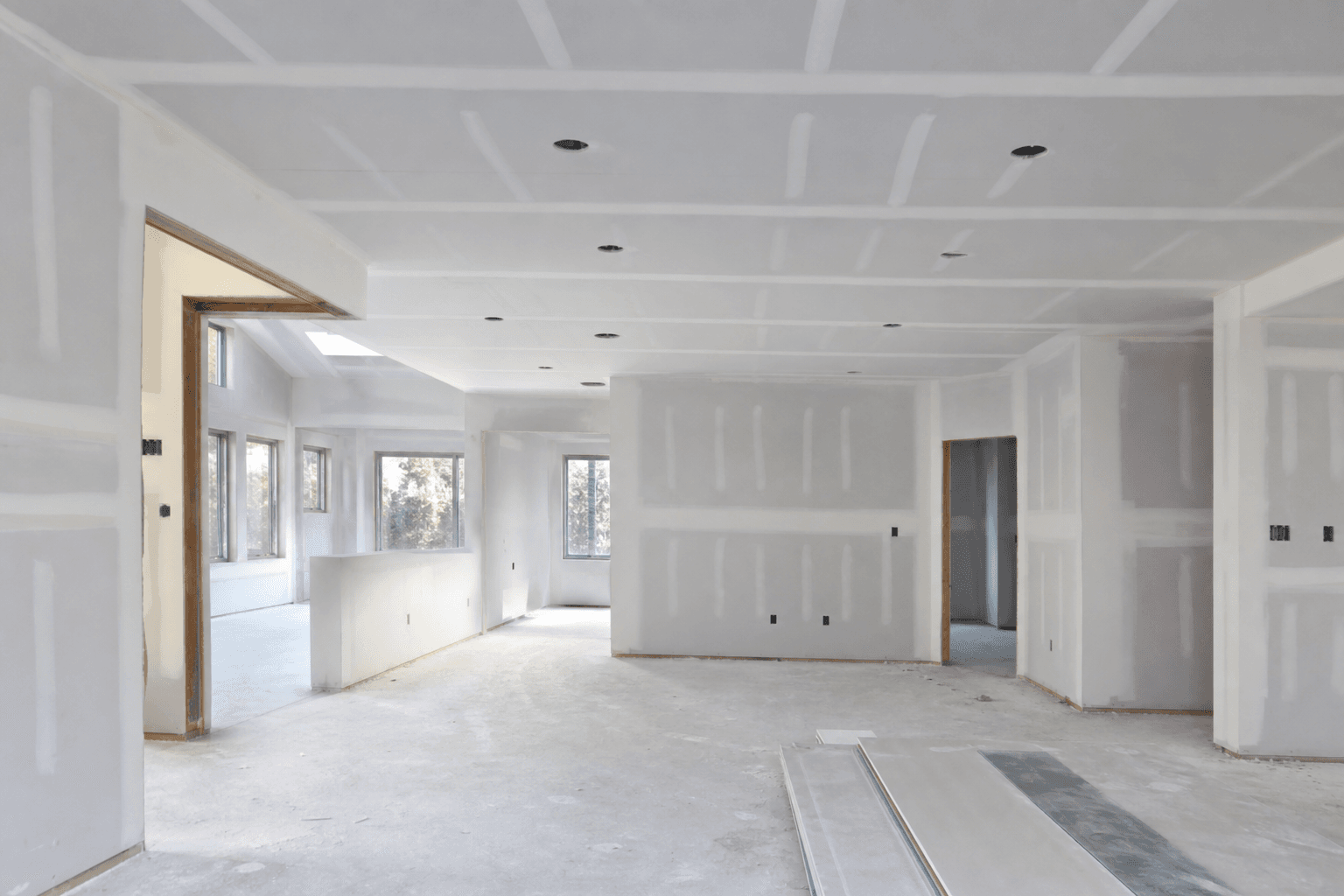
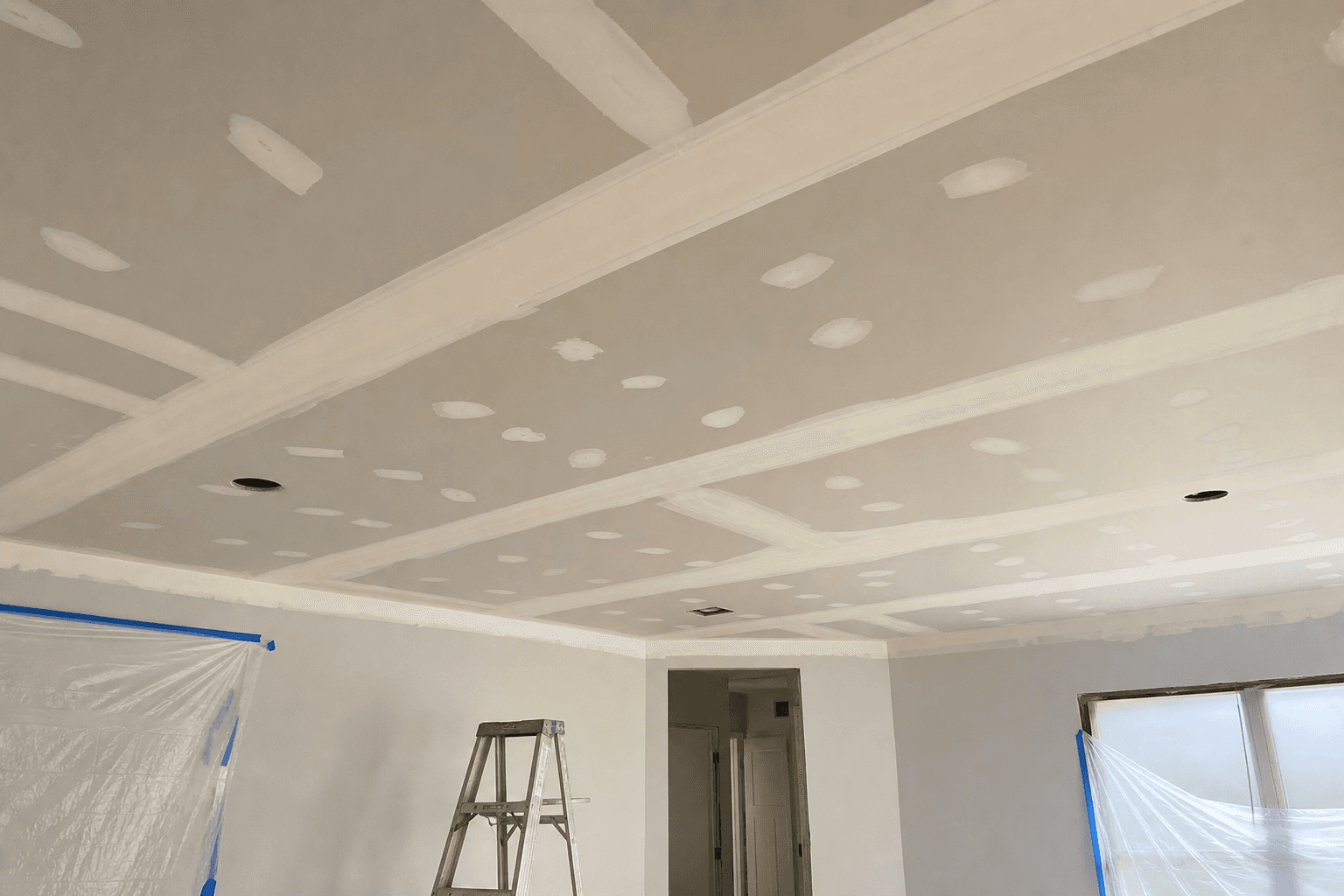
Closing the opening is only the first of four scope items. The others are finishing and blending the repair so it sits flush with the surrounding wall, priming the new surface, and repainting. A quote that just says "patch holes" may stop after the first two, so ask where the work ends before you compare numbers.
Our taping and finishing work smooths the repair into the surrounding wall. Ask how much of the wall will need repainting afterward. Blending does not guarantee an invisible patch or include painting automatically.
Painting raises separate questions: who supplies it, whether the color and sheen are known, and where repainting stops. Spot painting can leave color or sheen differences; corner-to-corner painting covers more area but does not fix an uneven patch. Douglas Taping can add painting to the drywall repair, not take on painting as an independent job.
Lighting and sheen also shape what counts as a good finish. Light grazing across a wall from a window, or a glossier paint, shows small surface variations that flat paint in soft light would hide. That is why some walls get a Level 5 finish, a thin skim coat over the entire surface rather than just the repaired spots. A few access openings do not automatically justify it, so talk through your lighting and paint before assuming either way.
Compare estimates by scope, not just the number of holes
Two proposals can both say "patch holes in three rooms" and still describe different jobs. Share the same photos and ask whether ceilings and closets are included. The electrician should identify any openings that must remain accessible, and Douglas should make those exceptions clear in the quote.
Next, check where each proposal draws the lines between finishing, priming and painting, and how far any painting extends. Room protection, dust containment and cleanup belong on the same checklist. If a proposal says nothing about one of these, ask before treating it as included.
At Douglas Taping, a quote request is not a binding estimate until we review the project details and confirm the scope. Scheduling depends on availability, project size, materials and site access, so the number of holes alone doesn't set a price or a date.
Whether to do it yourself depends on what you are actually fixing. A known nail hole or shallow dent is a reasonable weekend task for many people. An access opening is a different decision when the wiring status, the support behind it, the wall material, possible hazardous materials, a fire-rated assembly or the finish you expect is uncertain. Our wall patching service covers repairing holes and blending the repaired surface, the part that tends to show once light hits the wall.
Whoever you hire, ask for a scope divided into closing, finishing, priming and painting, with any openings still awaiting electrical clearance marked separately.
For drywall repair in Millburn after electrical work, call Douglas Taping at (877) 551-9553 with photos and a short description of the rooms affected. Tell us whether you want a paint-ready repair or painting added, and let the electrician confirm when closure is allowed.
Common questions
How do I repair drywall after electrical work?
Have the electrician confirm the work is ready to cover, then send Douglas photos and describe the result you want. The repairer should assess the wall and choose the patching method. Suspect older materials and walls with required fire protection need appropriate assessment before cutting, sanding or closing.
How much should it cost to patch a hole in drywall?
There is no reliable single price. The openings, surrounding damage and amount of finishing all matter. Share the same photos and goals with each contractor, and ask whether painting and cleanup are included. Douglas confirms an estimate only after reviewing the project.
Can drywall be repaired with spackle?
Yes, for nail holes, dents and minor surface damage. An opening cut for electrical access often needs a supported patch rather than filler alone. Douglas can assess what is needed to make it secure and blend it into the wall.
How big a hole in drywall can be fixed by spackle alone?
There is no universal cutoff. Depth, surrounding damage and what is behind the wall matter as much as size. Have access openings assessed, and do not reach inside or disturb uncertain wiring or older materials.
Is this a fair estimate to repair, or should I do it myself?
Ask whether the estimate covers the affected rooms, a smooth finish, protection and cleanup, with painting clearly included or excluded. A known shallow dent may suit DIY work, but electrical openings need professional clearance and assessment before closure. Small size alone does not make a repair safe.