Find out whether the damage goes beyond the surface
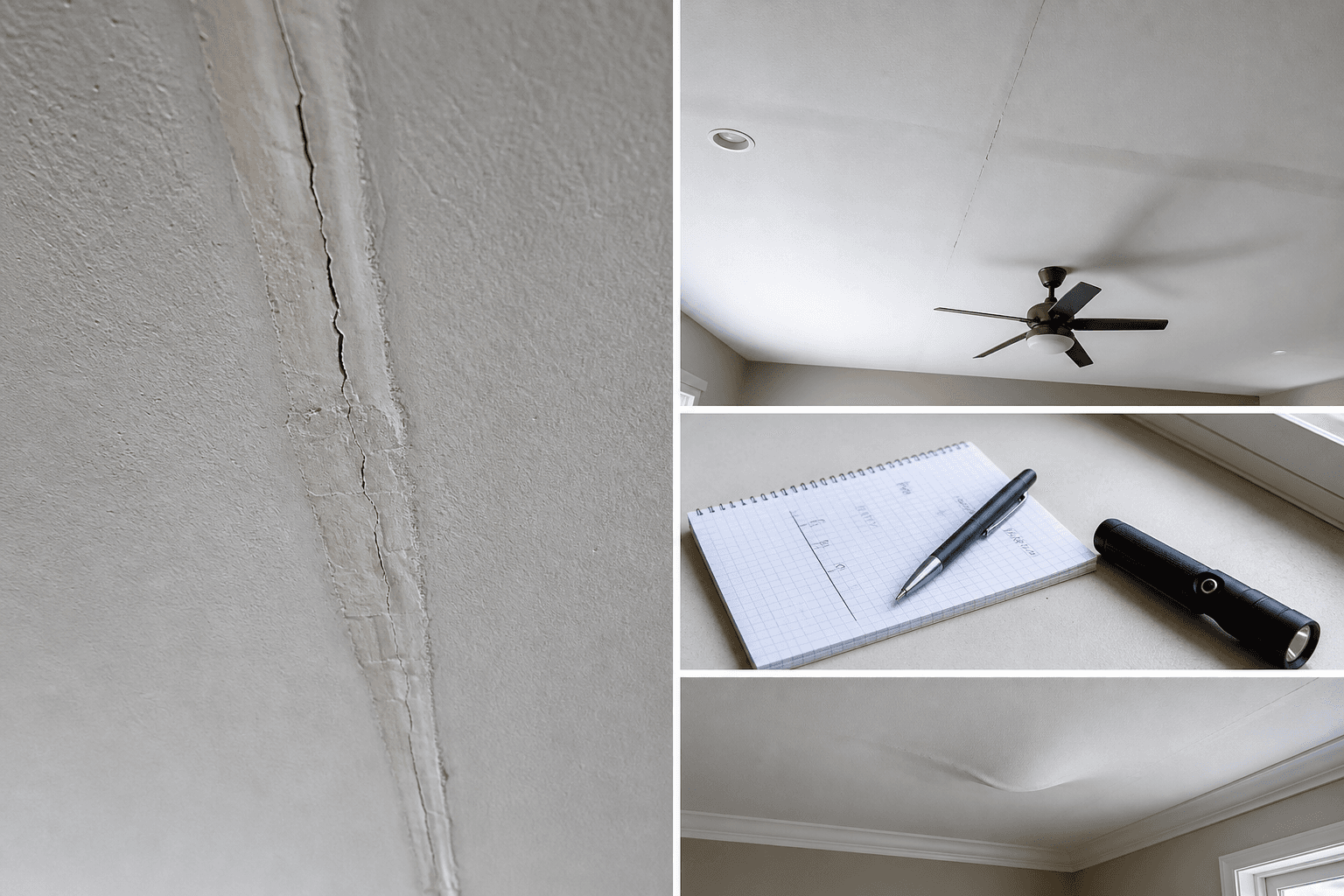
A leak can damage two different layers. The finish is the paint plus the joint compound that covers seams and fasteners. The drywall is the board underneath. Stains, peeling paint and bubbling show that water reached the surface, and a stain that keeps coming back deserves a closer look. On their own, though, these signs do not prove that a whole sheet has to go.
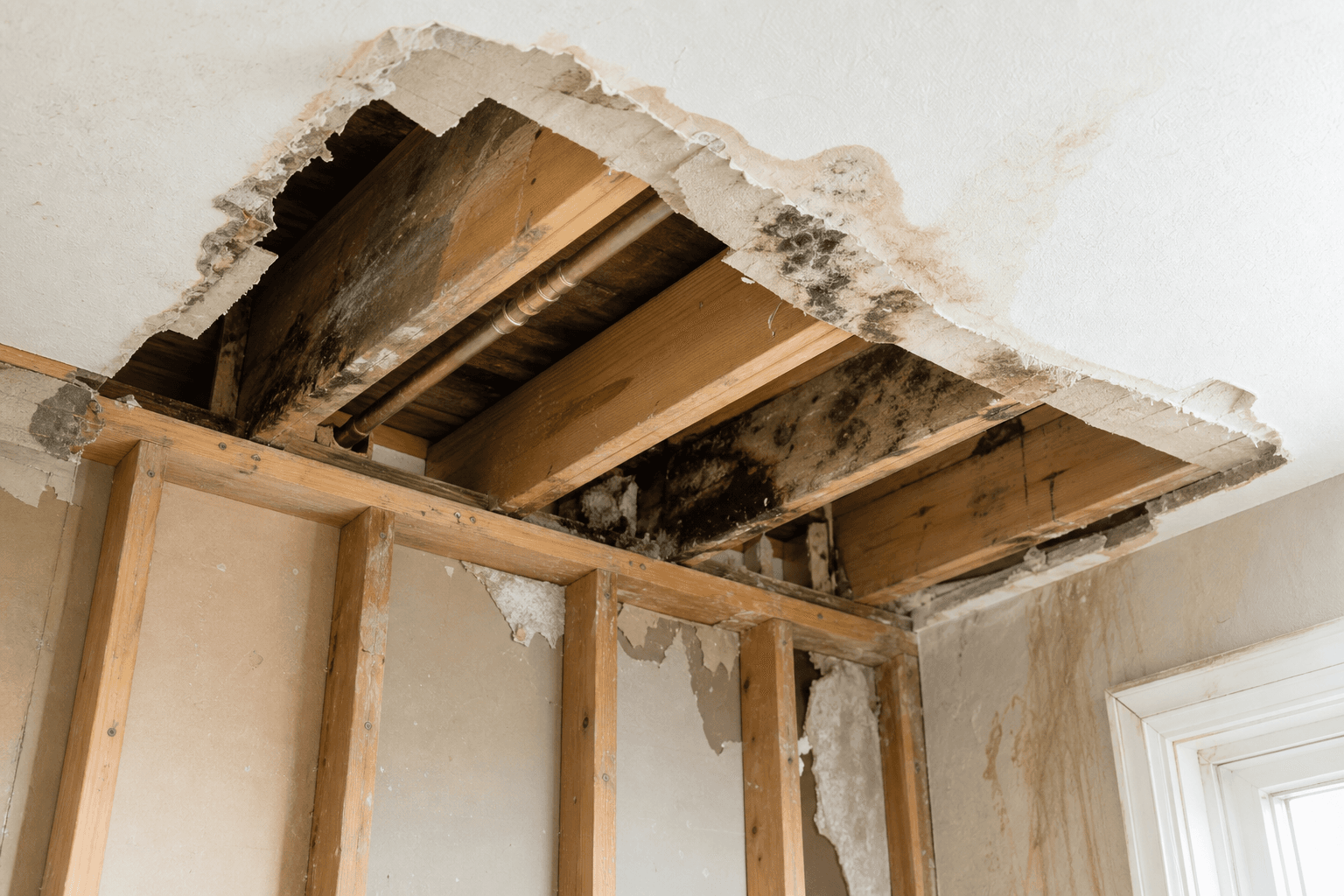
As general guidance, an assessment usually points toward one of three outcomes. If the board is sound and the moisture and contamination questions are settled, a surface repair may be appropriate. If the board has softened, crumbled, swelled or pulled away from the framing, that section may need to be removed and replaced.
Sometimes the honest answer is not yet. Moisture may still be unresolved, or the conditions behind the surface may be unknown. A surface that looks dry is not proof that the board, or the space behind it, is ready to finish.
Leave that judgment to whoever assesses the damage rather than pressing on affected areas yourself. When a proposal arrives, ask one simple question: does the work address only the finish, or the damaged board as well?
Treat sagging ceilings and questionable water exposure differently
A water stain on a flat ceiling and a ceiling that has started to sag or bow are two different problems. A sagging or bowed section of water-damaged ceiling may collapse, so it needs a professional assessment before anything else. Keep people out from under it. Don't press on it, poke a hole to let water drain, or try to pull it down yourself.
A stain can't show whether the board is still attached to the framing, whether the framing above is sound, or how far the water spread before it showed through. If water may have reached a light fixture, a ceiling fan or the wiring above, that is another open question for a qualified person, not something to open up and check on your own.
Contamination is a separate reason a board may need to come out, even when it looks intact. Restoration providers generally recommend replacing drywall after sewage or wastewater exposure, and they flag storm water and floodwater as concerns. That is broad guidance, not a remediation plan for your home. Don't assume a roof leak was clean just because it started as rain. On the way down, that water passed through roofing, insulation and whatever else sits above the ceiling. Not seeing mold doesn't prove the back of the board or the space behind it is unaffected, either.
Any of these conditions turns the job from covering a stain into deciding what has to be removed, which is why a repair kit is the wrong tool. A kit can't tell you whether the board is sound, whether it was contaminated, or whether the ceiling is safe. What you can usefully do is photograph changes you can see from a safe spot. Leave scraping, drilling and opening up materials until someone has assessed them, including older coatings or textures whose makeup hasn't been checked.
Separate leak repair, drying assessment and drywall rebuilding
Leak damage usually involves three separate jobs, even when all you want is one finished wall or ceiling. First, someone corrects the water source, whether that is a plumbing line or a roof problem. Second, someone assesses drying, possible contamination and any concealed damage. Third, the drywall is rebuilt and finished. Each stage carries its own responsibility, and they need to happen in that order.
Keeping the stages apart matters because a finished patch proves very little. New board and smooth joints do not show that the plumbing or roof leak has stopped. Waiting a few days or weeks does not show that the wall or ceiling is ready to close, either. The cavity, meaning the space behind the drywall where the framing and sometimes insulation sit, can stay wet or affected long after the surface looks fine.
Ask: "Has the leak been fixed, and has the area been confirmed ready to close?" Agree who will coordinate with the plumber, roofer or restoration professional. Share records you already have, but you should not have to interpret moisture readings or decide when hidden materials are dry.
Our part is rebuilding and finishing water-damaged drywall. Plumbing and roof repairs, extraction, structural drying, mold remediation and electrical work are separate responsibilities. The appropriate professional should confirm drying and concealed conditions before the wall or ceiling is closed.
Where inspection is required, ask the contractor or permit holder to coordinate with the Borough of Saddle River Building/Construction office. The work must remain exposed until the inspection allows closure. Local scheduling needs to fit between leak repair and rebuilding; an appointment alone is not clearance to close the wall.
Ask what the drywall repair will include
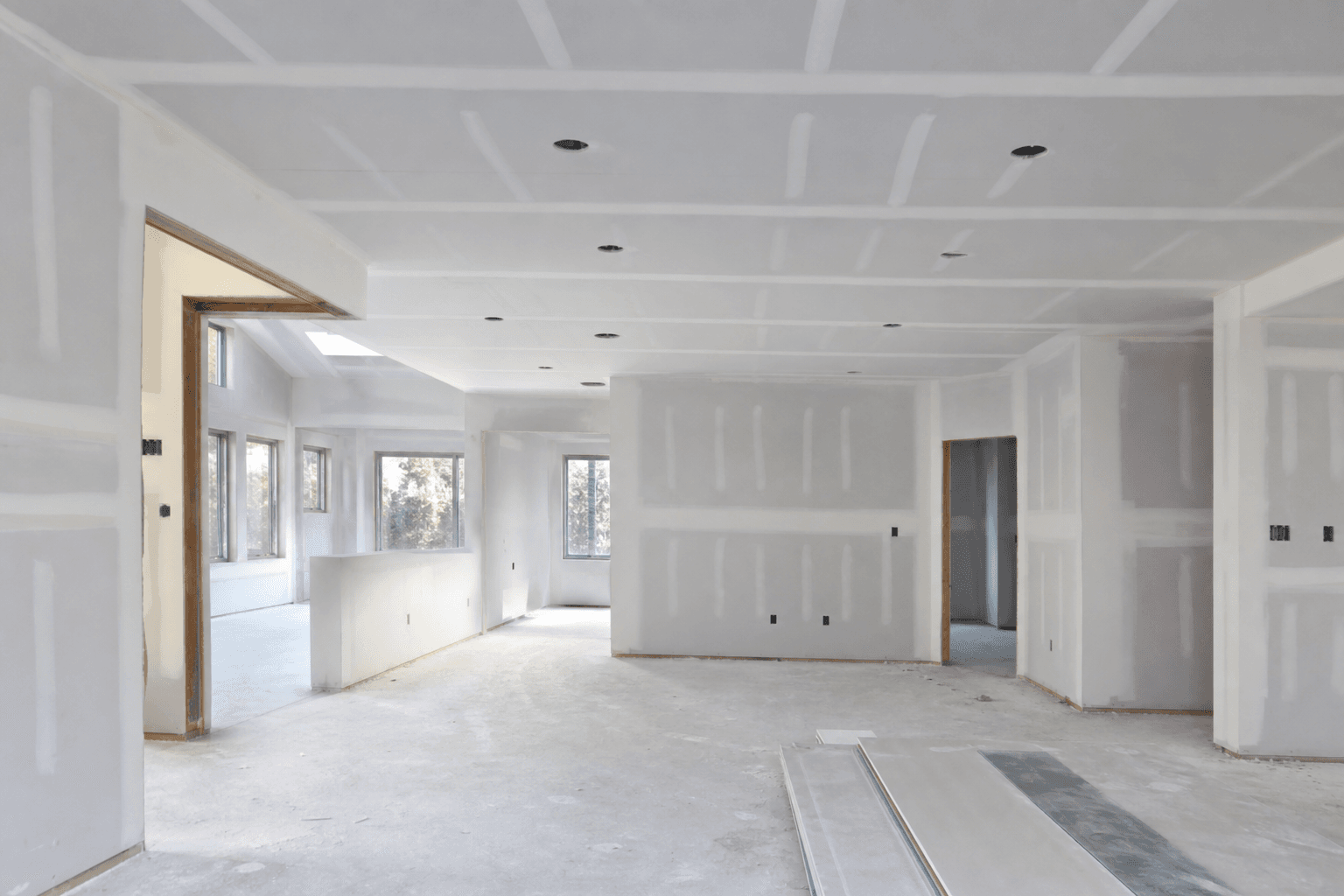
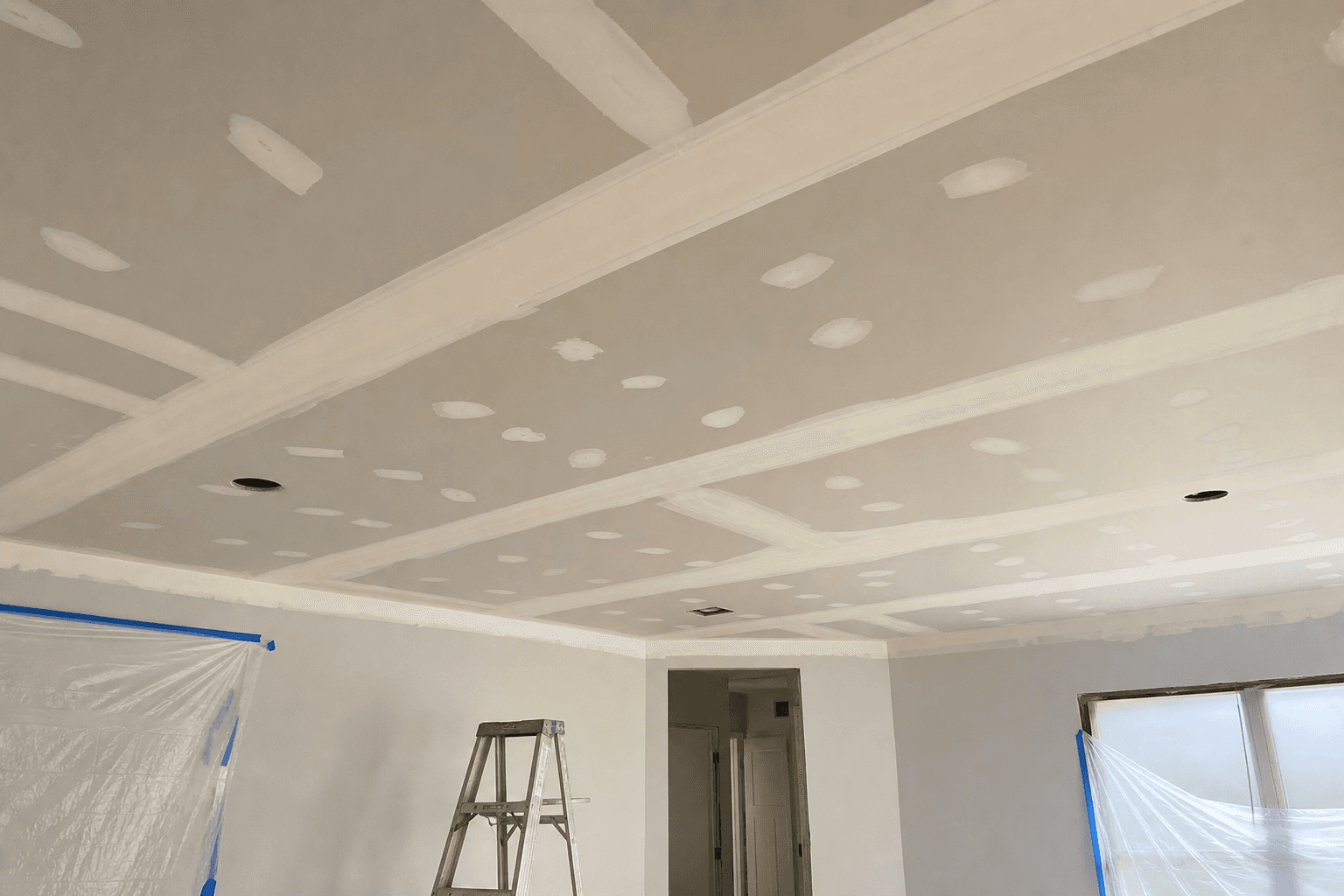
"Patch the drywall" can mean smoothing a damaged finish or replacing damaged board. Ask which one your room needs and why. New board also needs finishing before it is ready for paint, so make sure the quote covers more than simply filling the opening.
A useful proposal spells out four things: which wall or ceiling areas are included, what damaged material still has to be removed, what board will be replaced and what finishing is included. If the leak reached a ceiling, the ceiling repair should appear as its own item rather than being folded into a general wall price.
Where the cut lines go needs assessment. The visible stain does not mark the edge of the damage, and neither does a blanket rule like replacing a whole sheet or a whole room.
Douglas should choose replacement materials that suit the existing wall or ceiling, including any required fire protection or sound control. You do not need to identify board thickness or hidden layers. Damaged plaster needs its own assessment rather than the same repair assumed for drywall.
Douglas Taping uses moisture-resistant board on every water-damage rebuild and recommends access doors near plumbing, making future leak or valve checks easier without cutting another hole. Douglas and the responsible trade should choose compatible board and access doors, preserving any required fire protection or sound control. Moisture-resistant board is not waterproofing and does not replace fixing the leak or drying the space behind it.
Ask whether the quote includes replacing affected insulation and taking away damaged materials. Douglas Taping offers painting as an add-on to the drywall repair, not an independent service. Discuss whether repainting the patch, full wall or ceiling will give you the most even appearance.
Share what you know about the leak
Tell Douglas when you noticed the leak, whether it has been repaired and what has changed since. Mention spreading stains or sagging without approaching unsafe areas. A short description is useful; a detailed timeline or damage inventory is not required.
Photos help too, especially ones from when the leak happened, along with any records of the leak repair, drying or assessment. Take pictures only from where you can stand safely. There is no need to open a wall or get under a damaged ceiling for a better angle.
Ask whether the estimate takes the room from its current condition to the finished result you want. Removing damaged board is extra work compared with rebuilding an already-open area. Any work needed first, such as further drying, should be clear rather than hidden inside a patching price.
Douglas Taping serves Saddle River, including the area around Rindlaub Park, for the drywall rebuilding stage. Share any completed repair or drying reports you already have so the professionals can coordinate the next step. For a textured ceiling, the texture-matching guide explains what to expect from the finished repair.
Call Douglas Taping at (877) 551-9553 to discuss water-damaged drywall repair in Saddle River. Bring the leak history, affected-room photos and any completed repair or drying records so the estimate names both the rebuilding work and what must happen first.
Common questions
When should I replace drywall after water damage?
Replacement is worth assessing when the board has softened, crumbled, swelled, sagged or pulled away from the framing, or when it was exposed to sewage, wastewater or floodwater. Stains and bubbling paint alone call for investigation, not automatic replacement. Where the cut lines go should come from an assessment, not the size of the stain.
Do I need to replace my drywall if I can dry it out?
Not always, but drying alone does not settle it. It does not show whether the board is still sound, whether the water was contaminated or whether the space behind it is affected. Board that stayed firm may need only finish repair once an assessment has answered those questions.
Do I need to replace ceiling drywall after a leak?
Not always. A stain alone does not prove the board must come out, but a sagging or bowed ceiling may collapse and needs professional assessment. Stay out from under it. Ceiling repairs also depend on whether the board is still attached, the framing is sound and whether water reached nearby fixtures or wiring.
Can I fix ceiling water damage with a drywall repair kit?
A kit can cover a small surface flaw, but it cannot tell whether the board is sound, whether the water was contaminated or whether the ceiling is safe. Sagging or soft board and recurring stains need assessment first. Until then, photograph visible changes from a safe spot rather than scraping or cutting into the damage.
How can I tell if there is water damage behind my drywall?
Often you can't tell from the surface. Recurring stains, bubbling or peeling paint, softness, swelling and sagging are worth reporting, but a dry-looking surface does not prove the space behind the board is unaffected, and no visible mold does not rule out hidden damage. That space needs a qualified assessment, not opening the wall yourself.
How much does it cost to repair water damage to drywall?
There is no fixed price. Scope, room size and finish level all affect drywall cost, and area alone doesn't settle scope. Compare estimates by what is still left to do: removing damaged board, cleanup, replacement, joint finishing and painting. Two quotes for the same square footage can describe very different work.