What does Level 5 add beyond joint finishing?
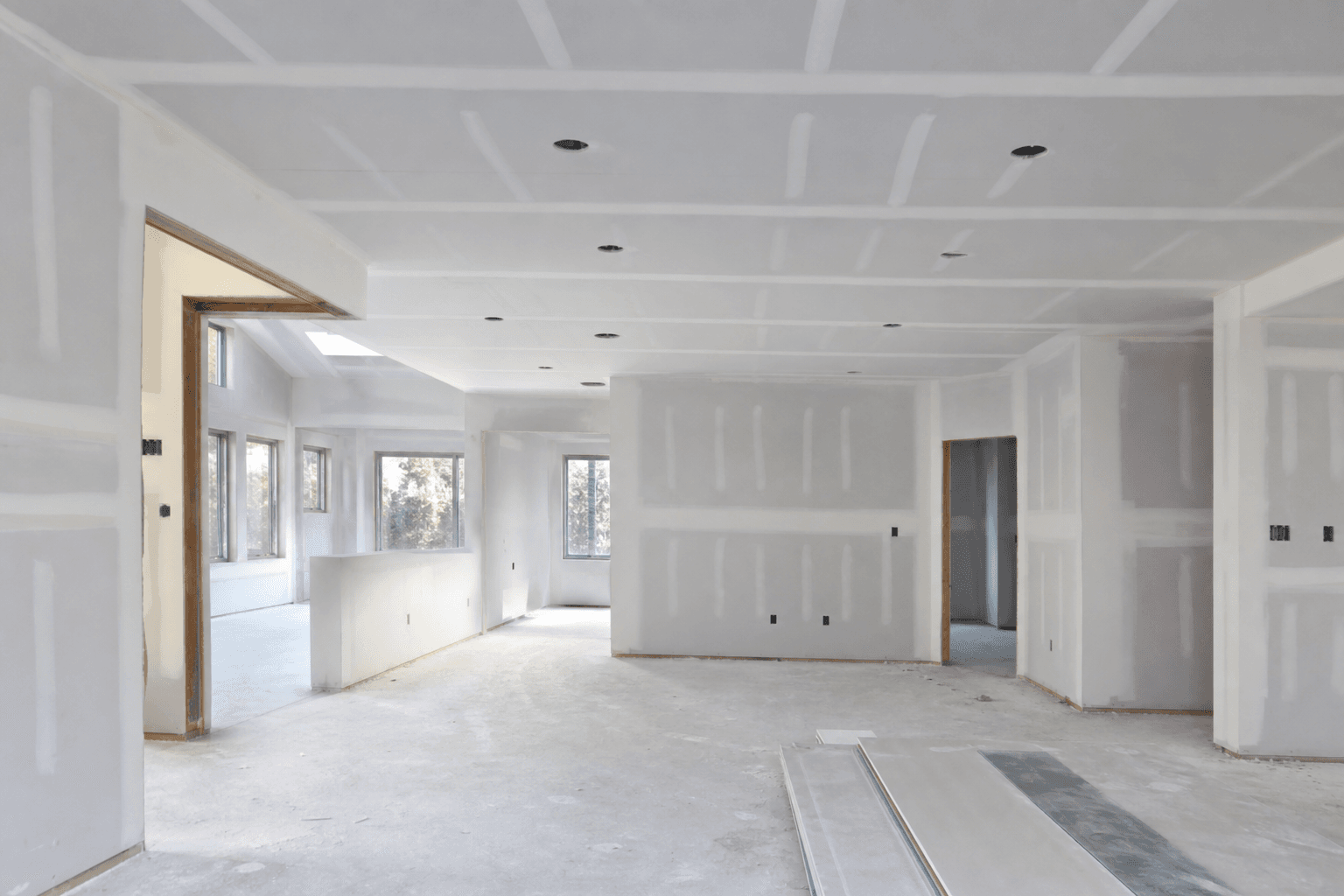
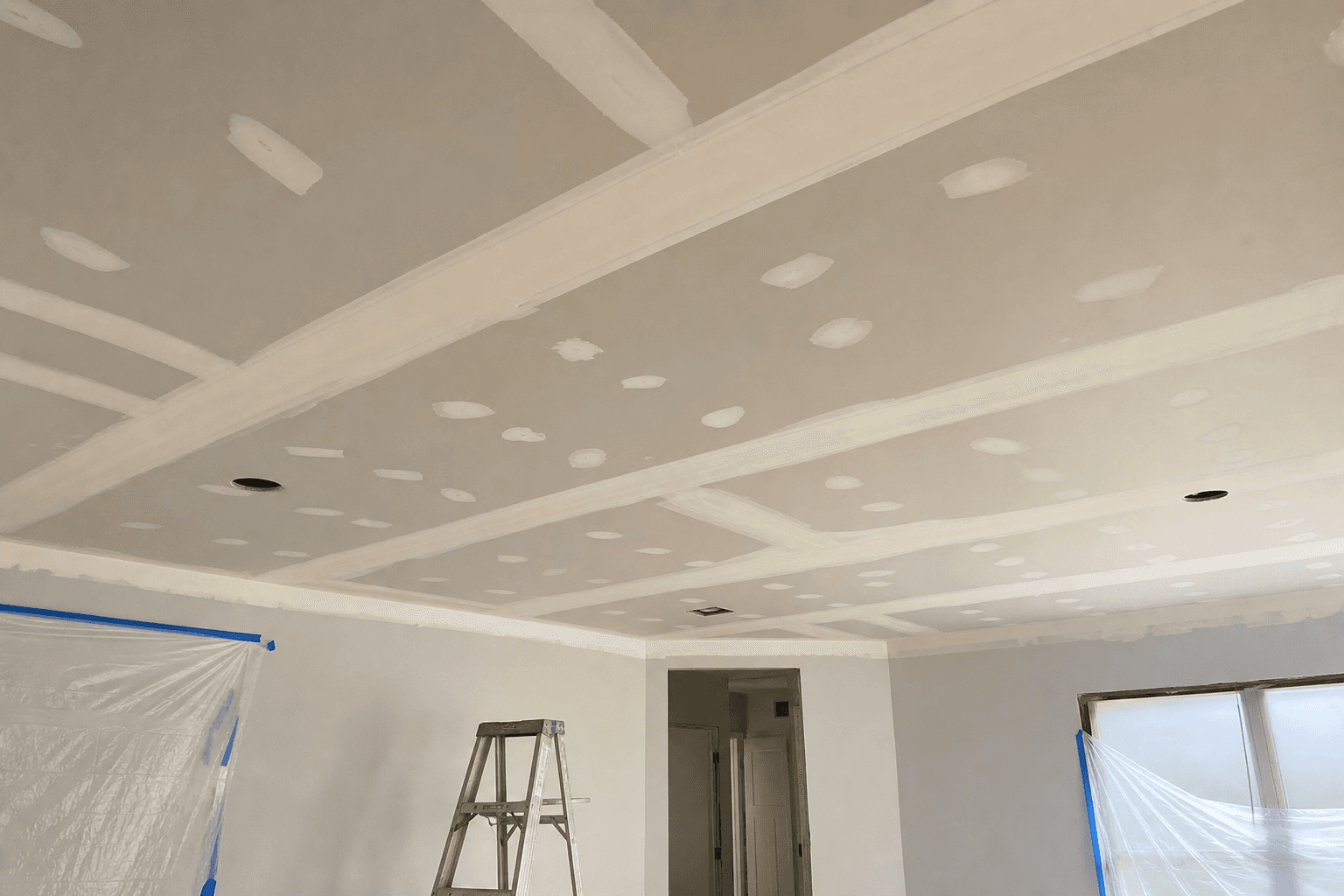
Level 4 smooths the seams and screw heads. Level 5 adds a thin coat over the whole wall or ceiling, helping the painted surface look more even. The extra work can be useful where bright light or glossy paint makes small imperfections stand out.
Ask Douglas to show you where that extra smoothing would make a visible difference. A recommendation should be about the finished room, not choosing the highest number just because it sounds better.
The number five is a finish designation, not a count of compound coats, so don't judge a proposal by how many passes it promises. No finish level guarantees that every imperfection disappears under every light, either.
Level 4, with joints and fasteners fully finished but no coat across the whole surface, can be a reasonable choice for many walls under flat paint. Whether it holds up on a particular wall depends on the light that will fall across it once the room is in use, so the useful question is which surfaces in your addition actually call for the higher level.
Let the room's light and paint guide the choice
Douglas Taping serves Westfield, including the East Broad Street area around Mindowaskin Park. Tell us how you plan to use the addition and what you want it to look like. You do not need to prepare a lighting plan to ask about the finish.
An addition also needs the builder to coordinate inspections and the point where new work meets the existing house. Ask the builder to confirm requirements with the Westfield Building Department and tell Douglas when finishing can proceed. You do not need to research old permit records to choose a smoother wall finish.
Tell Douglas how you want the addition to look. Share any existing lighting plans or paint choices, or simply point out the windows and features that matter to you. The finisher can recommend where Level 5 is worthwhile and where the standard finish should be enough.
Sunlight from a side window can make a small ridge much more noticeable. Glossy paint can have a similar effect. Point out those areas and ask whether they would benefit from extra smoothing.
So a wall with light sweeping across its face, or one planned for satin or semi-gloss paint, is a reasonable place to discuss Level 5. A wall lit from the front and painted flat may look fine at Level 4. Fixtures matter by placement, not type. Choosing LED lighting does not by itself mean every wall needs Level 5; the real question is whether a fixture throws light along a surface. A fixture aimed to wash a wall, for example, is a reason to look at that wall, not automatically at the ceiling above it.
Ask a simple question: "Where would I notice the difference, and what would it cost there?" Have the contractor identify those areas in the quote. If your lighting or paint plans change, let them know before finishing begins.
Ask about curved walls and recessed ceilings
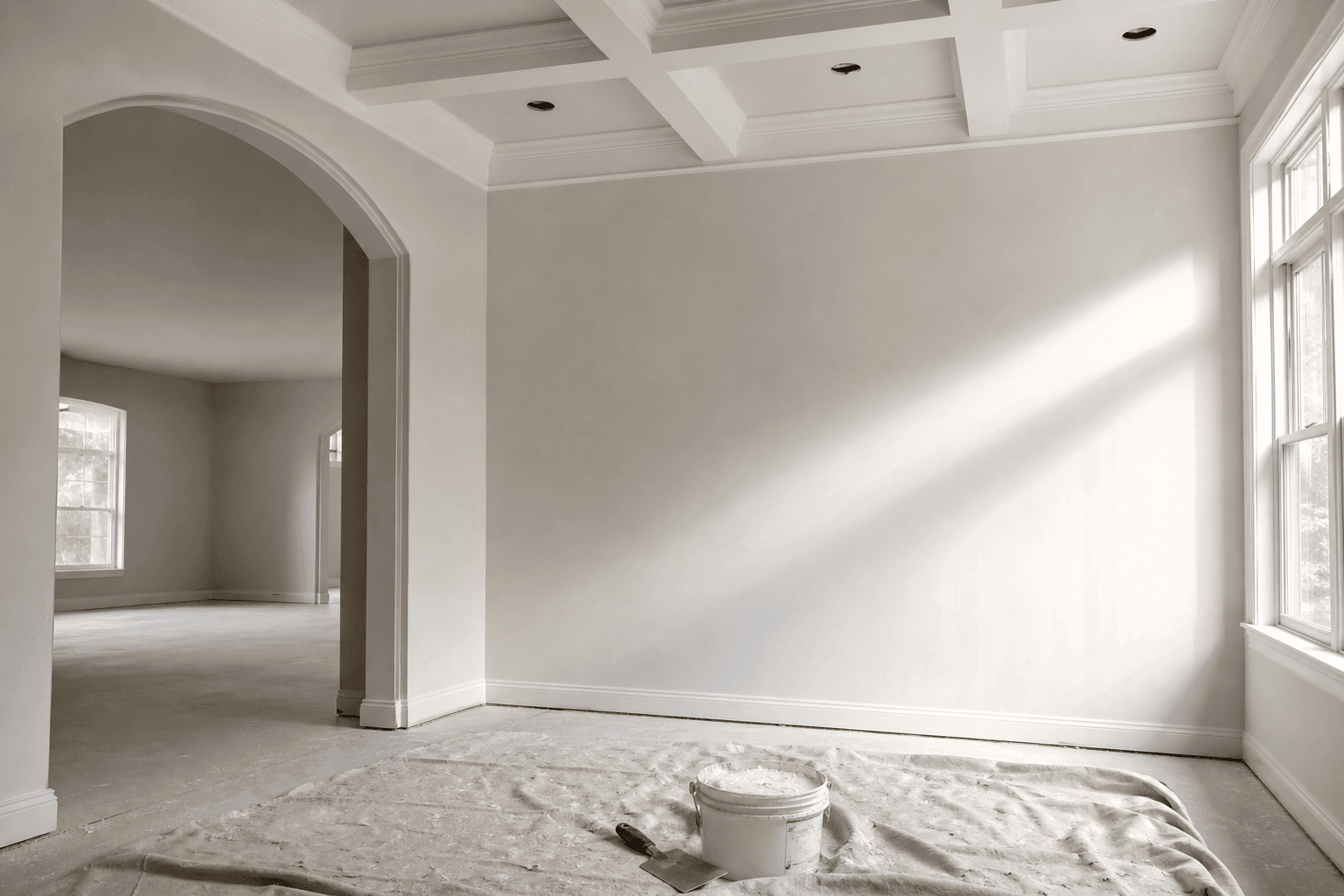
If your addition includes a curved wall or a ceiling with recessed sections, show those features in photos or the builder's existing plans. Their shapes take more finishing work than flat surfaces, so ask whether the quote covers them fully.
We finish curved walls to Level 5 to help the surface look consistent along the curve. Douglas handles the measurements and finishing details; you can focus on the appearance you want.
A coffered ceiling is divided into recessed sections. Its extra corners need careful finishing, but not necessarily Level 5 everywhere. We finish these ceilings at Level 4 or Level 5 depending on the room's light and paint sheen.
Ask Douglas to explain the recommendation in terms of what you will see from the room. Our taping and finishing service covers both curved walls and coffered ceilings.
Compare the base finish and the Level 5 upgrade
Ask for the standard finishing price and the added cost of Level 5 in the recommended areas. Check whether both quotes cover the same rooms and leave them ready for paint. Ask directly whether primer and painting are included; a smooth surface is not yet a painted one.
Words like smooth or paint-ready sound reassuring, but they don't tell you which of those steps you are paying for. Two bids can use the same phrase while one includes a full-surface coat and the other finishes only the seams.
Leave measuring walls and calculating quantities to the contractor. If a square-foot rate is quoted, ask for the total for your room and a plain explanation of what it includes. A rate by itself does not tell you the project's cost.
What does it cost? Ask for the added price of Level 5 on your named surfaces, not a town-wide average. The upgrade covers additional full-surface coating and preparation. A quote that also includes hanging board or repairing the existing house buys more work and cannot be compared with the upgrade alone.
If the addition needs new board, our Drywall installation for additions includes taping, joint compound and sanding to the finish level the project requires. Level 5 isn't assumed by default, so name the surfaces you want upgraded and ask for that work on its own line.
Have existing surfaces checked before finishing
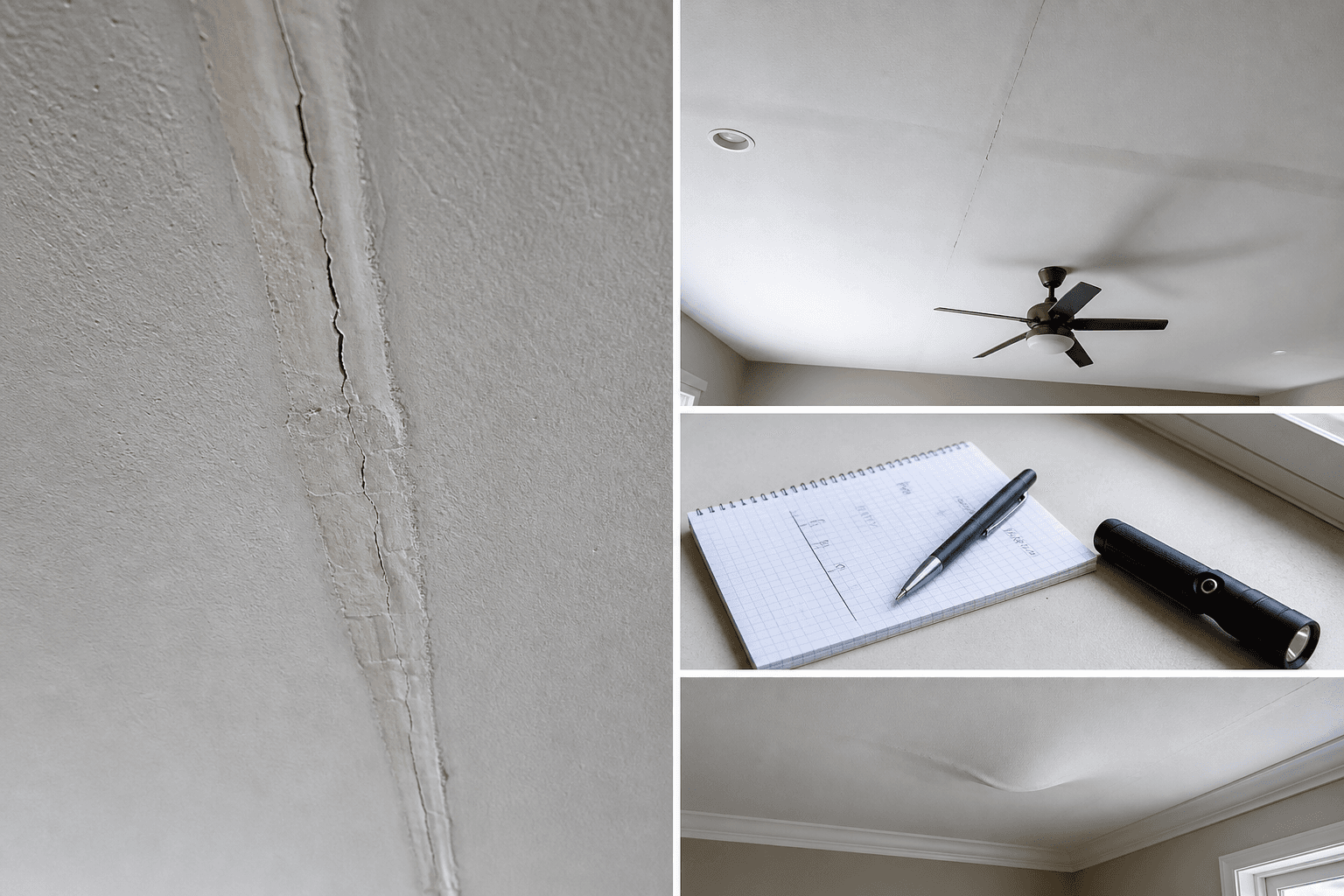
New drywall in the addition and the old walls or ceilings it ties into are two different jobs, and they should be priced that way. Where the addition meets the existing house, you may find cracked plaster, a stained ceiling or a seam that has never lined up. A higher finish level on the new side does not fix any of it.
Full-surface skim coating can smooth a sound existing surface, but it will not stop a leak, reattach plaster that has come loose from its base, or correct a ceiling that sags because of what is behind it. Existing plaster cracks can also show back through a fresh coat.
Ask for the affected existing surfaces to be looked at before anyone agrees to sand, scrape or cover them. If the work will disturb older paint, texture, plaster or joint compound, settle in advance whether those materials need to be assessed and what work controls are appropriate. Raising those questions does not mean lead or asbestos is present. It means the answer should be known rather than assumed.
Preparation and primer choices follow the same logic. New drywall, previously painted walls and old plaster may not take the same steps, and the right sequence depends on the surface and the products being used.
Share photos where the addition meets the house, mention known leaks or recurring cracks, and say which nearby rooms you still need to use. Ask how Douglas will protect those rooms and handle cleanup. The builder and finisher should coordinate repairs and review the surface before painting.
Ask for the agreed finish and any existing-wall repairs in writing, with the optional upgrade clearly priced.
Douglas Taping offers painting only as an add-on to drywall work. If the builder has a separate painter, agree who checks the finish under the planned lighting and who handles corrections before finish paint.
If you are planning an addition in Westfield and want help deciding which surfaces, if any, need a Level 5 finish, you can call Douglas Taping at (877) 551-9553 to talk through your project. It helps to have your lighting and paint plans on hand, and you can ask for standard joint finishing and any Level 5 work to appear as separate lines so the proposal matches the scope you choose.
Common questions
Is Level 5 drywall finish necessary?
Not for every wall or ceiling. It is worth discussing where strong side light or glossier paint would reveal small differences in texture. Ask Douglas where the upgrade would be noticeable; many walls look good with standard Level 4 finishing.
Should the whole ceiling be skim coated or only the joints finished?
Finishing joints smooths the seams between panels. A full skim coat also covers the panel faces, helping paint look more even. Douglas can recommend which approach fits your ceiling's lighting and planned paint.
How much should a Level 5 drywall finish cost?
Ask for the added cost in the areas Douglas recommends, rather than a town-wide average. The contractor should measure and price those areas separately from installation or repairs where the addition meets the house.
How many coats is a Level 5 finish?
Five names the finish level, not a coat count. It adds a thin coat across the whole surface after the joints are finished. The contractor decides the application steps, and no number of coats guarantees a flawless appearance under every light.
Should I prime a ceiling before skim coating?
Ask the finisher to assess the existing surface and choose compatible preparation. New drywall and painted plaster may need different treatment. Skim coating cannot fix a leak, loose plaster or sagging, so those problems come first.