Start with an assessment, not an assumption that everything must go
Replacement removes plaster and installs new drywall; it is not another name for repairing or covering it. If you have not chosen a method yet, compare the plaster repair, overlay and removal options first. Once replacement is the right scope, plan it around room access, demolition, trade handoffs and the finished surface.
Douglas Taping serves Summit, including the area around Summit Free Public Library. Before plaster removal, explain which doors, hallways and rooms your household must keep using. The contractor should plan debris handling so bags of plaster or a container do not block those routes.
If the job needs a dumpster, ask the contractor or hauler to follow Summit's construction and dumpster-placement guidance and arrange placement before demolition starts. Your useful input is where you need access and parking, not how to complete the forms. The contractor should also confirm any interior-work permits or inspections; dumpster permission does not cover the renovation itself.
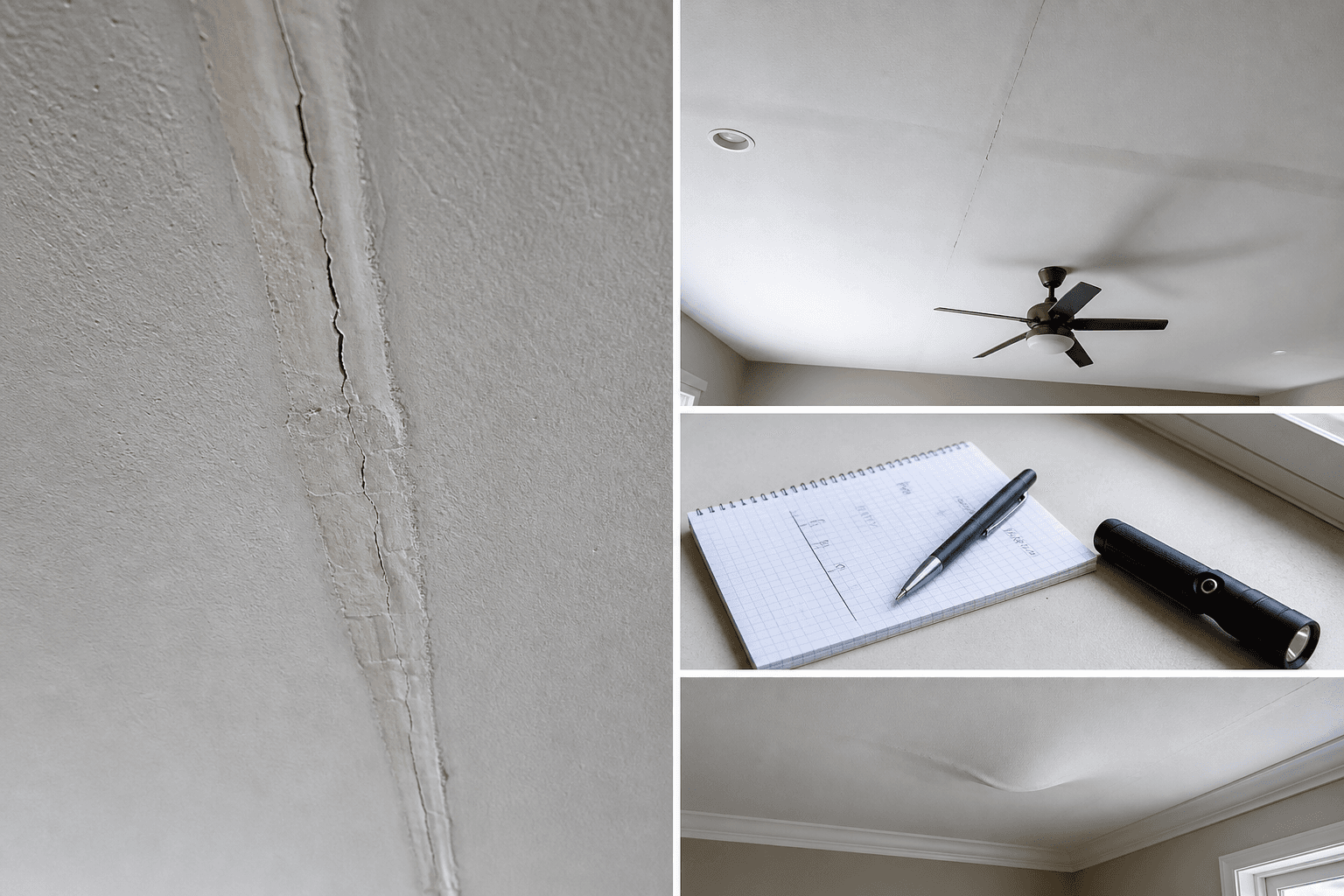
Isolated cracks and smaller damaged areas are good reasons to ask about repair, and our Plaster repair options cover patching and texture matching for that kind of damage. Appearance only tells you so much, though. A crack that looks minor does not prove the plaster around it is sound or still attached, so the surface needs checking before anyone decides to keep it.
Bowing, sagging, fallen pieces, water stains or plaster that has lost its support all point to an underlying cause, such as a leak, a failed plaster base or structural sagging. Find and assess that cause before choosing any finish. Until then, keep people out from under a sagging ceiling, and do not patch it cosmetically or hide it behind new panels.
If you are unsure whether your plaster is worth keeping, ask for a repair assessment first. Replacement makes sense when the existing surface, or what holds it up, no longer justifies keeping it, not as an automatic upgrade.
Ask what comes out and what goes back in
Show Douglas the rooms you want improved and anything you want to keep, such as ceiling details or original trim. Ask which areas need replacement and which can stay. The contractor should assess and measure the work, not ask you to calculate every wall and ceiling.
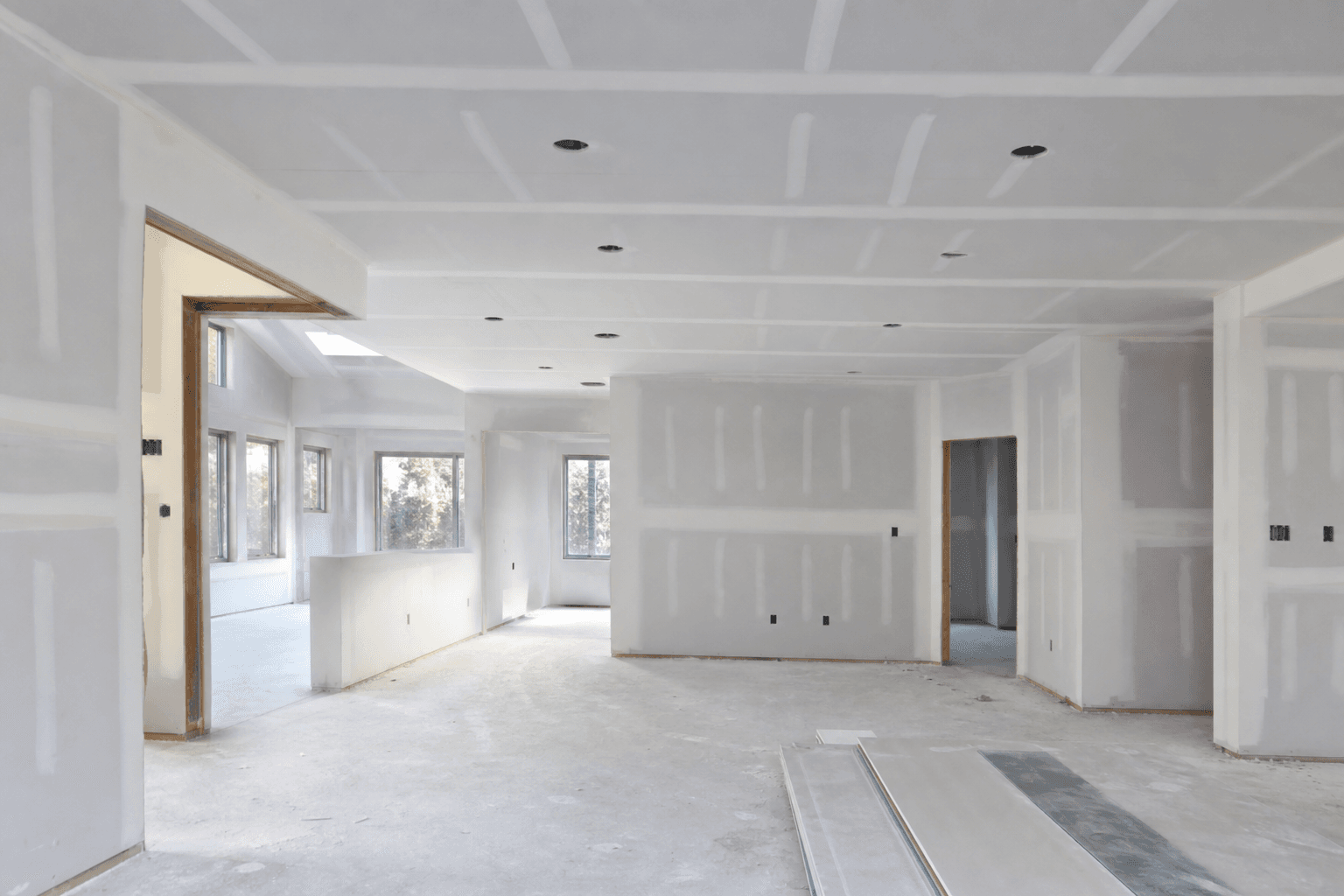
We carry out plaster replacement in four stages: demolition, insulation, hanging and finishing. Our Drywall installation service covers that work. Whoever you ask, a clear proposal should show each stage on its own line.
Ask whether the price includes removing the plaster's backing, called lath, and restoring the wall through to a paint-ready finish. If insulation is recommended while the walls are open, ask what benefit it offers and whether it is included. Douglas should choose board and installation details that suit the house.
Openings and edges are easy to leave vague. Find out who removes and reinstalls door casings, baseboards and other trim, and who handles adjustments at doors, outlets and light fixtures. Where new drywall meets plaster that stays, ask how the two surfaces will line up, since a mismatch can show at that joint and around frames. Getting an answer during estimating means it is priced rather than decided on the day.
Opening walls can reveal leaks, damp materials, rot, mold or wiring problems. Agree beforehand who investigates these and who corrects them before anything is closed up. Plumbing, electrical or structural repairs may need other trades, and the scope should say who arranges that work.
Agree on room access, protection and cleanup before work starts
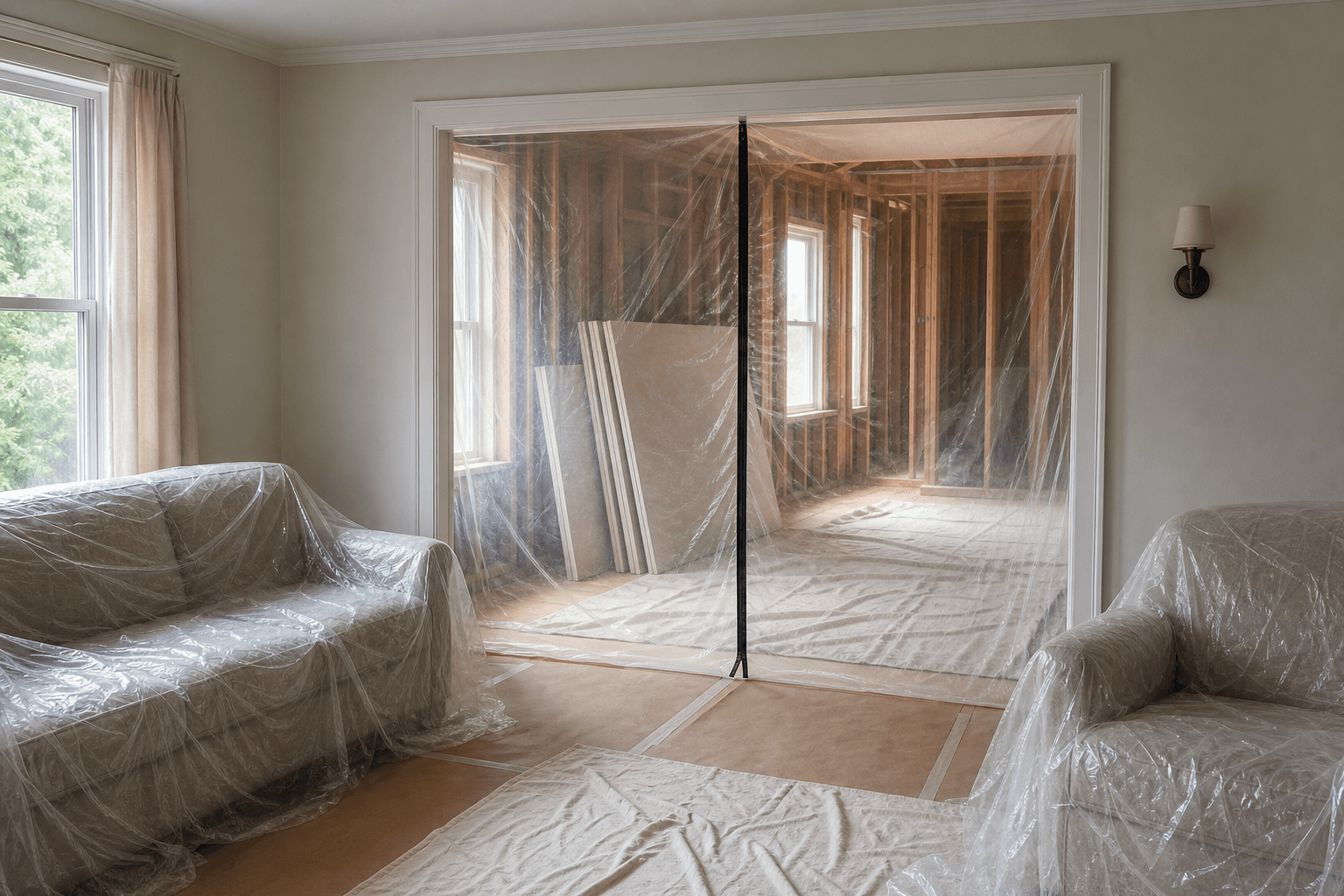
Our focus on occupied homes does not mean staying put is safe or practical for every household. Whether you can live there through removal and finishing depends on your rooms, the people living with you and the condition of the walls, so it needs to be decided during the estimate rather than assumed.
Before any plaster comes down, agree on which rooms must be emptied and whether work can move one room at a time. Which hallways, stairs and doors will stay usable? Who moves the furniture, and how will floors and belongings be covered? Ask how dust will be kept out of the rooms you are living in and away from heating or cooling vents and returns. The realistic goal is containing dust, not dust-free work.
For each workday, agree on start and finish times. Ask where debris will sit until it is hauled away, whether hauling is included, and what cleaning happens before the crew leaves. Find out whether power or water will be shut off at any point. Get the order of stages in writing, including the drying time joint compound needs between coats.
For the Summit job, ask the contractor to explain how debris will leave the house and confirm hauling is arranged before removal begins. If dumpster placement changes, the contractor should revise the plan without turning a hallway into storage. Agreed entry and exit routes must stay usable.
Old plaster and paint can contain lead or asbestos, and nothing is known about your walls until your specific property is assessed. A dust mask is not a safety plan. If you are considering doing the demolition yourself to save money, first find out whether testing is needed, who is qualified to do it and who would handle any specialist removal.
Finally, ask what has to be true before a room can be used again. Sweeping and wiping down is not the same as confirming a room is ready to reoccupy, so agree on that standard for your home in advance.
Agree on the finish and whether painting is included
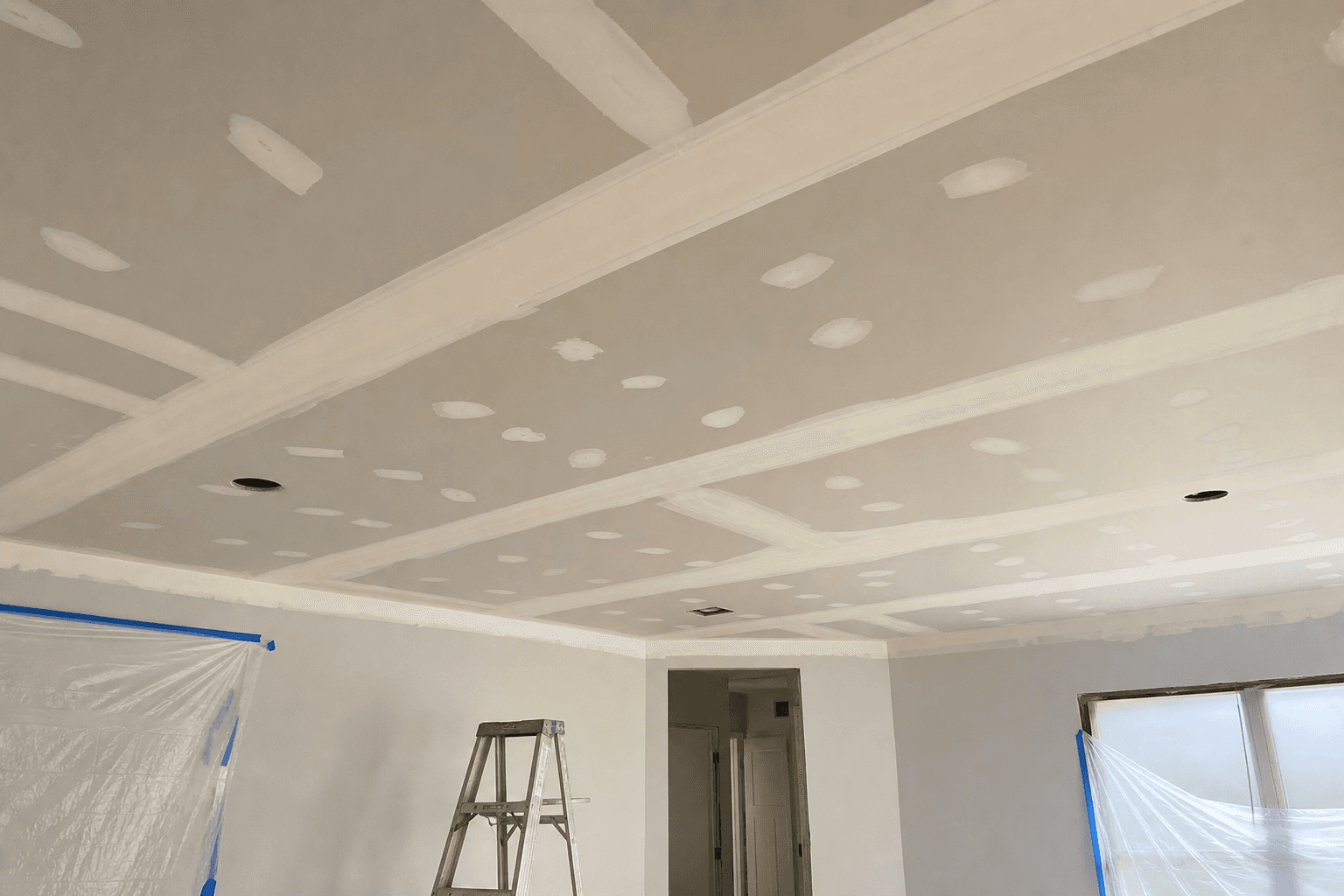
Hanging means fastening drywall panels to the framing. Finishing comes after: taping the joints, covering seams and fasteners with joint compound, and sanding until the surface is ready for decoration. Our drywall installations include taping, joint compound and sanding to the finish level the project needs. A hanging-only proposal stops well short of that and cannot be compared fairly with one that runs from removal through finishing.
Tell Douglas how you want the room to look and ask which finish suits its light. Level 5 adds a thin coat across the whole surface to help paint look more even under strong side light or a glossier sheen. It is not needed everywhere. The taping and finishing service can include that upgrade where it helps, without promising perfection under every light.
Where new drywall meets plaster you are keeping, ask how that transition is expected to look once painted. If texture matching has been agreed, the scope should say which surfaces it covers.
Ask whether the quote leaves the walls ready for painting or includes painting too. Douglas Taping offers painting as an add-on to drywall replacement, not as a standalone job. If another painter will take over, Douglas should coordinate when the walls will be ready.
Compare complete proposals before choosing who to hire
Ask whether each quote takes the same rooms from plaster removal to the finished result you want. Confirm that debris hauling, restoring affected trim and household protection are included, with painting clearly priced or excluded. You do not need a materials spreadsheet to spot a quote that stops before the room is ready.
A repair quote, a cover-over quote and a full replacement quote buy different work. Ask what each would solve and how much disruption it involves before choosing by price alone. There is no reliable general price without assessing the house.
Ask each contractor what happens if removal uncovers more damage, such as wet framing or failed plaster support. How will it be documented, priced and approved in writing before extra work goes ahead? Also confirm who handles any electrical, plumbing or other trade work, and who is responsible for any permits or inspections that apply.
Photos of the damaged areas, a list of rooms, any known leak history and notes on access, parking and rooms that must stay usable all make scope easier to discuss accurately. On our side, a quote request is not a binding estimate until the project details are reviewed and the scope is confirmed. Scheduling depends on availability, project size, materials and site access.
If you are unsure the plaster can stay, start with a repair assessment. If replacement is clearly needed, ask for an estimate that names every stage from removal to finish.
For drywall installation after plaster removal in an occupied Summit home, call Douglas Taping at (877) 551-9553 with photos and a description of your household's needs. Ask how the work will progress and whether staying home is realistic before making living arrangements.
Common questions
Is it worth replacing plaster with drywall?
Repair may be enough for isolated damage in plaster that is still firmly attached. Replacement may be appropriate when it is loose or failing over a wider area. Ask Douglas to assess the cause before deciding what needs to come out.
How expensive is it to replace plaster walls with drywall?
The rooms involved, removal work and finish you want all affect the price. Ask whether the quote includes debris hauling, restoring trim and a paint-ready surface, with painting clearly priced as an option. Douglas should assess and measure the work.
Is repairing cracked or bowing plaster cheaper than replacement?
Neither is always cheaper. Bowing plaster needs assessment first because a leak or failed support changes the job. Ask which options are suitable and what each would mean for cost, disruption and the finished room.
Ceiling plaster fell down. Repair part or whole ceiling?
Keep people out from under the ceiling and have it assessed before deciding. A leak or failed support may affect more than the visible opening. Do not pull at remaining plaster or cover it before its condition is understood.
Can we stay home during plaster replacement?
Sometimes, but not for every household or project. Tell Douglas which rooms you need, who will be home and any dust sensitivities. Ask about safe access, room closures and when rooms can be used again. Dust protection does not make every demolition safe to live beside.