Start with what the finishing estimate actually covers
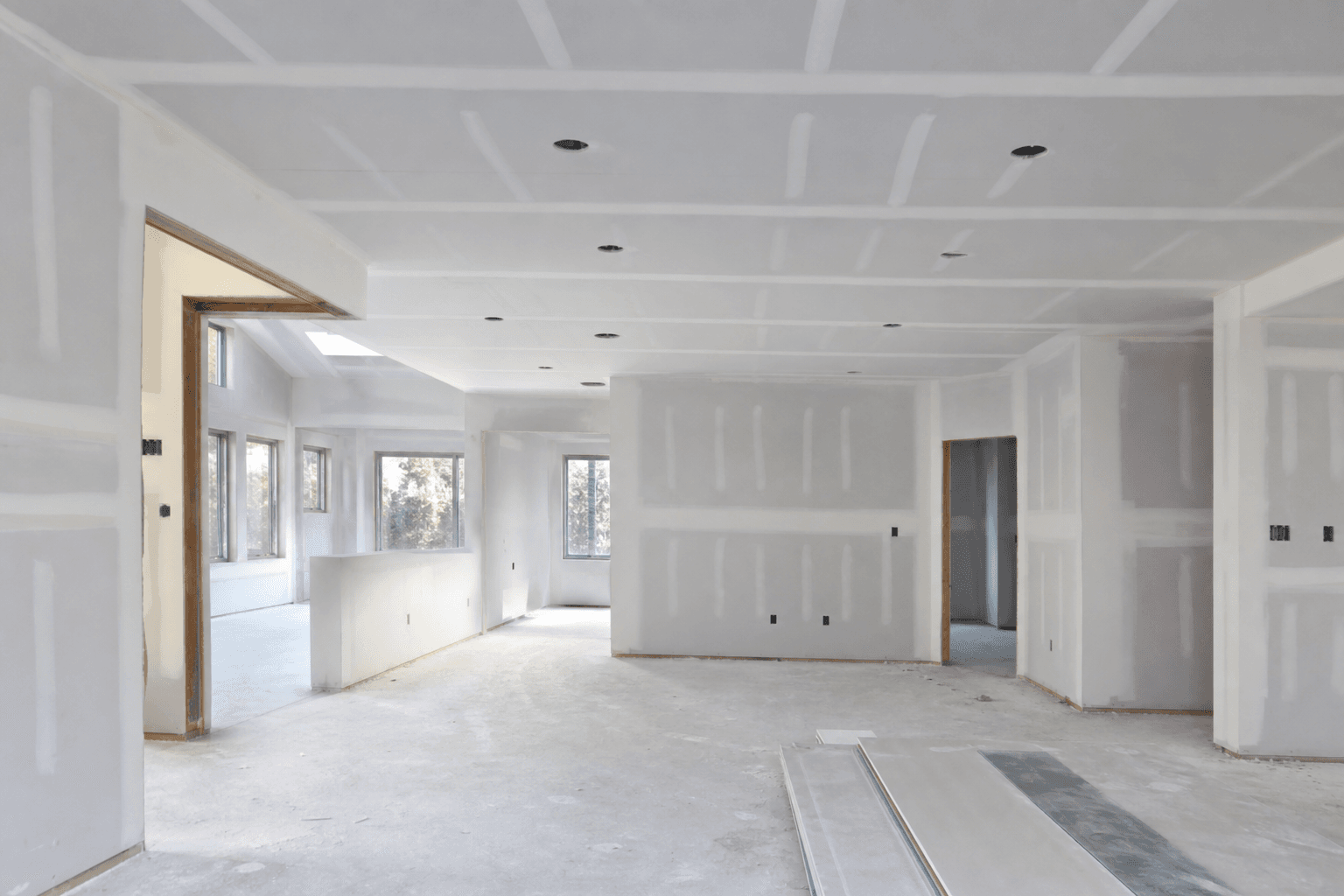
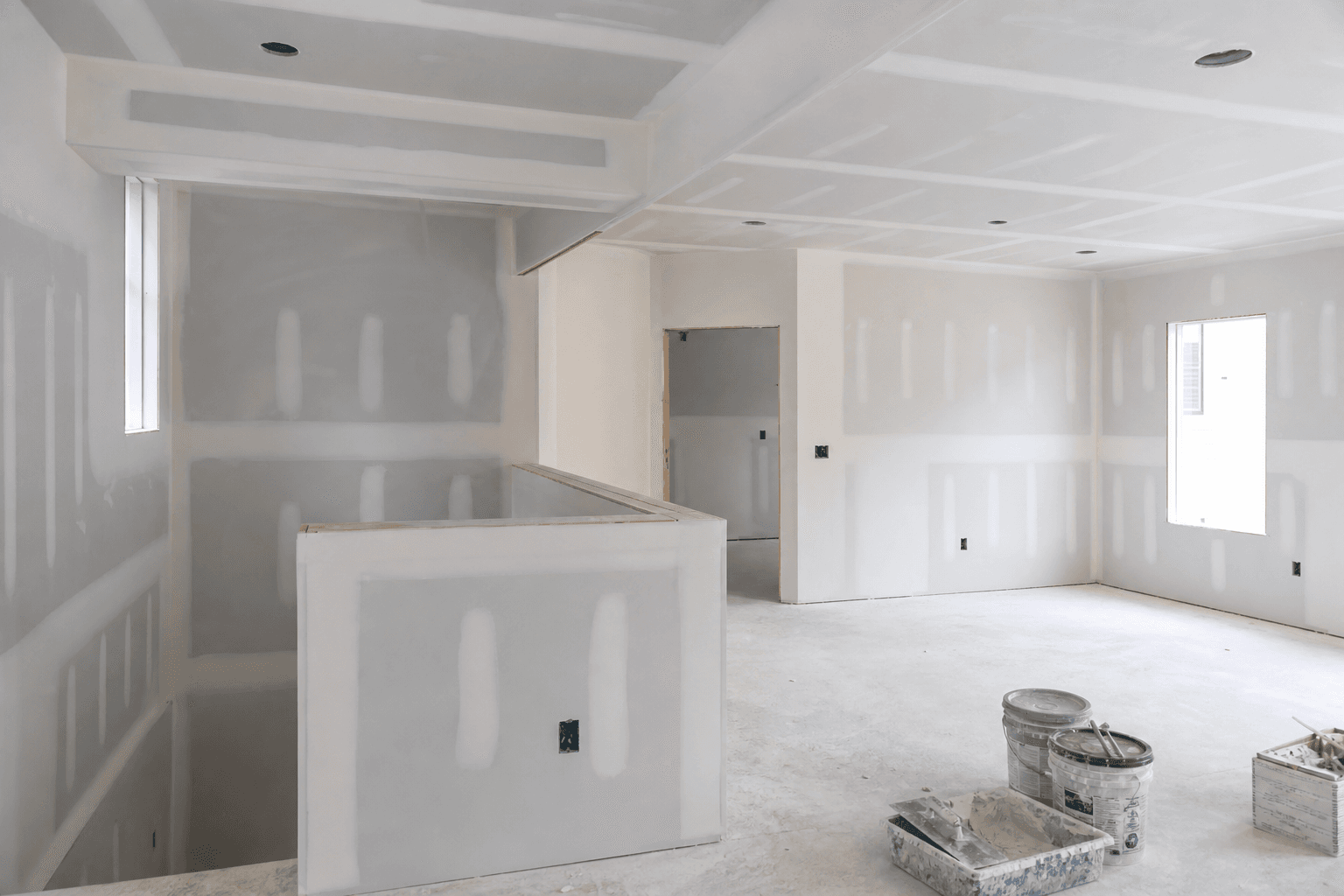
If the drywall in your Newark room is already hung and you are collecting quotes, start by confirming what each finisher means by finishing. Finishing hides the joints between panels and the screw or nail heads with tape and joint compound, which most people call mud. Hanging the panels is a separate job, so a finishing estimate should describe work on board that is already on the walls and ceiling.
Two quotes are comparable only when they describe the same result. Ask whether each includes the ceiling, any corrections to existing work and a surface ready for paint. Painting should be clearly included or excluded rather than left for you to discover later.
Douglas Taping serves Newark, including the Ironbound around Independence Park. Share the same room photos and goals with each contractor. Mention stairs, parking restrictions or people using nearby rooms so the estimate reflects access to your particular property.
Some limited finish work qualifies as ordinary maintenance under New Jersey's construction rules, but the building type and wider renovation matter. You do not need to calculate an exemption yourself. If a quote includes a permit charge, ask the contractor what it covers.
Ask the contractor to confirm any requirements with Newark's Building Division / Office of Uniform Construction Code. Finishing a room should not conceal work still awaiting inspection, and a decorative finish does not replace required fire protection.
Show the room, not just its floor size
Floor area tells you how big a room is, not how much surface needs tape and compound. Two rooms with the same footprint can differ a lot once you count taller walls, a ceiling that needs finishing, extra corners or a recessed detail. If one estimate starts from square footage and another from a walk-through, the totals may not describe the same job.
Send a few wide photos and say which rooms you want finished, including whether the ceilings are part of the job. You do not need to draw a layout, count joints or measure every wall. Douglas can take the measurements needed for a confirmed estimate.
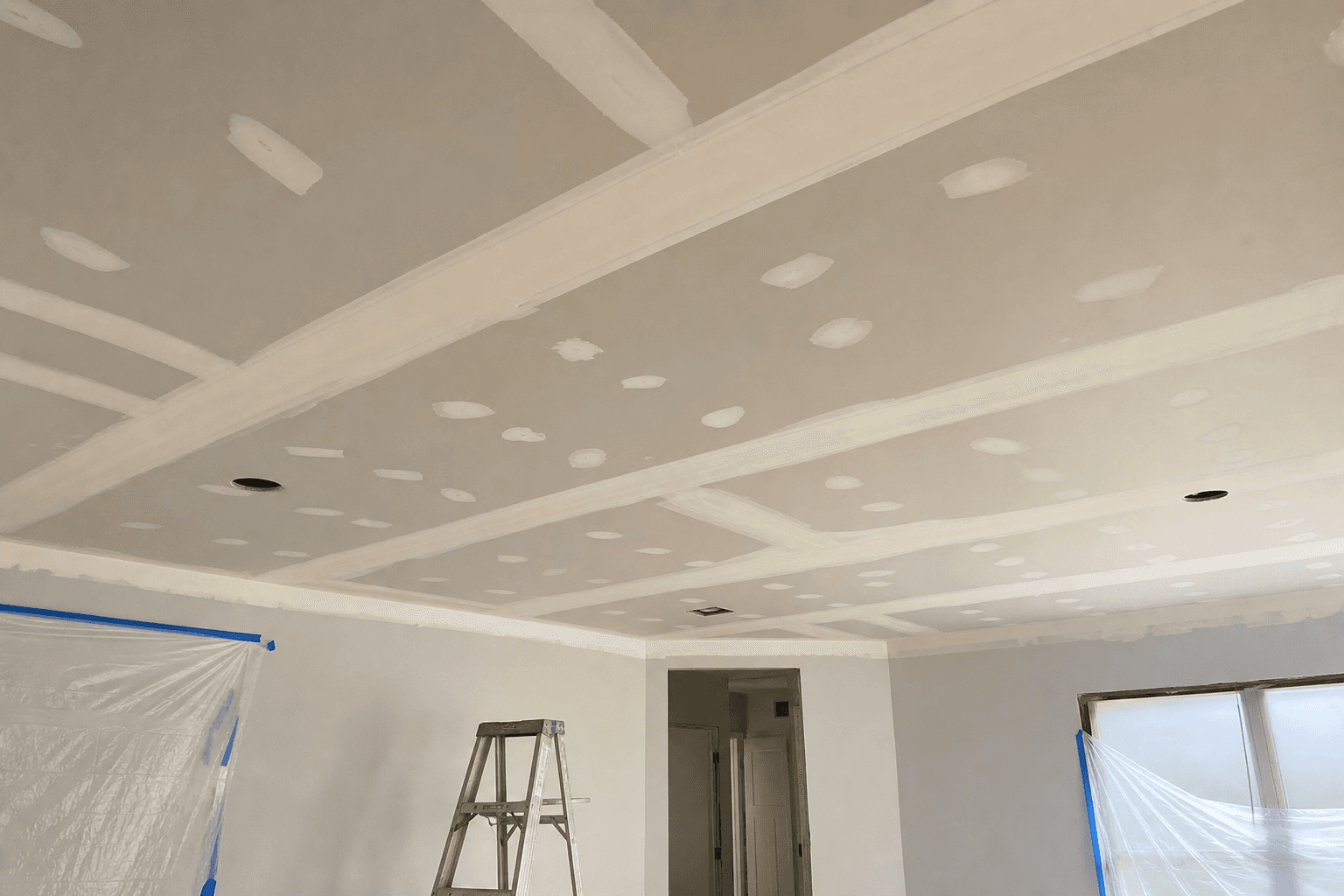
A coffered ceiling has recessed sections that take more hand-finishing than a flat ceiling. A photo helps show those details without requiring you to name or count them.
The same applies to an L-shaped room or a tall stairwell: show what you can safely photograph, and let the finisher work out the area and safe access. A site visit may be needed before the price is settled.
Separate panel corrections from the remaining finishing
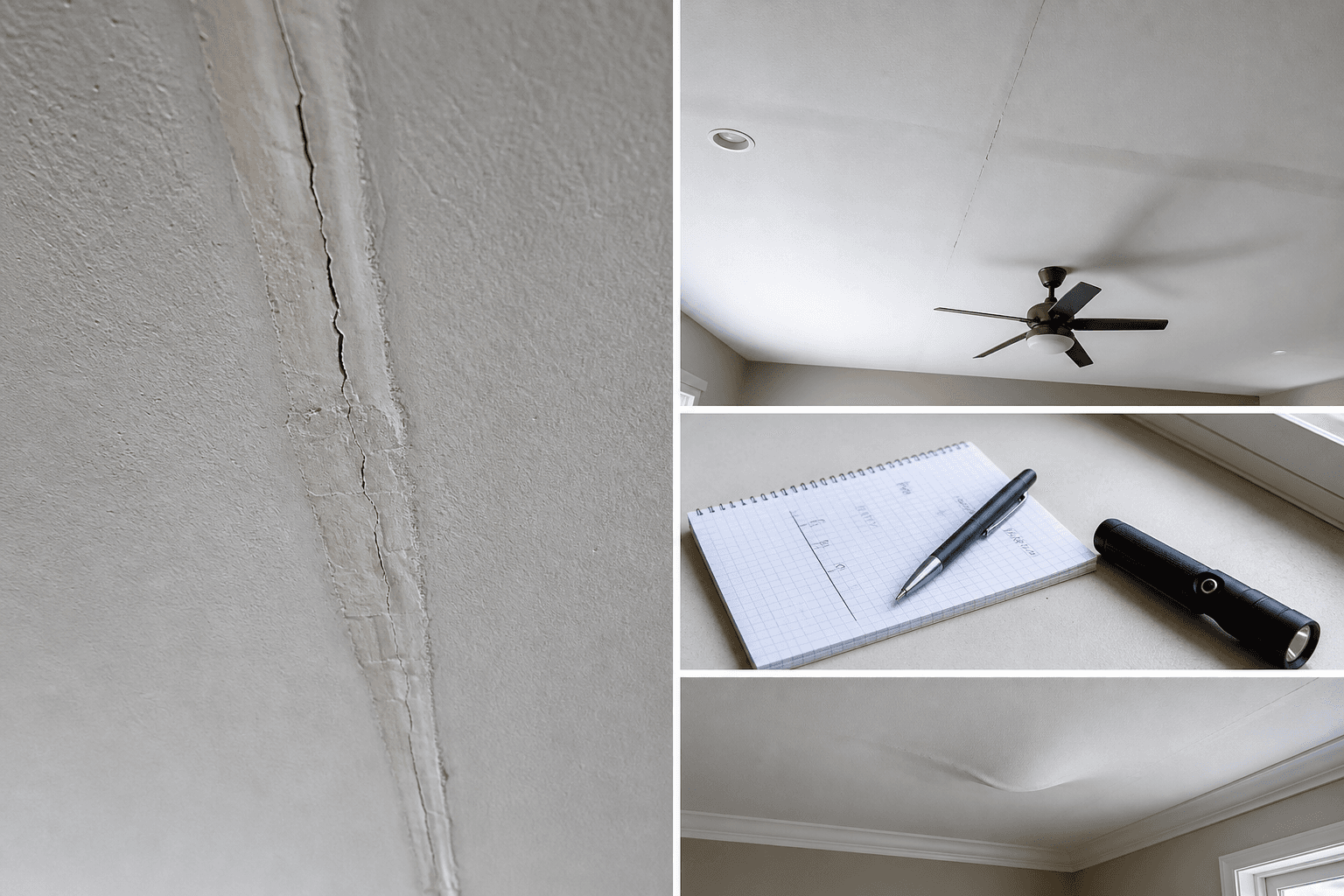
Panels on the wall tell you the board has been installed. They do not tell you the room is ready for tape. How the board was attached, what it is fastened to and whether it sits flat and stable are separate questions from how far the finishing has progressed. Neat-looking seams can still sit over weak backing or loose fasteners, and new compound will not correct either.
Ask each finisher to list three things separately: any corrections to the installation, how earlier compound or tape will be handled, and the finishing that remains. With those lines kept apart, you can see what each one has actually allowed for. If one figure is lower, check whether it leaves out preparation another proposal includes before treating the two as equal.
Tell Douglas what you know about work already done, and photograph any spots that worry you. There is no need to reconstruct every earlier coat. Photos cannot confirm the support behind the board, and we cannot promise to accept every room hung or partly finished by someone else; an assessment settles what can stay.
Some conditions come before any talk of finishing. Signs of moisture, mold, sagging or damaged board need assessment first. Older painted surfaces, plaster or texture should not be sanded or scraped until their lead and asbestos status is known. And a skim coat, a thin layer of compound spread across a whole surface, cannot make a failing wall sound.
If you hung the board yourself, the owner-hung drywall handoff guide explains when to pause and ask a finisher to take over.
Ask where a smoother finish would help
Finish level is easiest to price when it follows how the room will actually be lit and painted. A standard finish treats the joints between panels and the screw or nail heads, leaving the rest of the board face as it is. Level 5 goes a step further: after the joints are finished, a thin coat of compound is spread across the whole surface, not just the seams and fasteners.
Our guidance is to consider Level 5 on selected walls or ceilings rather than every room by default. Good candidates are surfaces where daylight or a fixture falls across at a low angle, and surfaces that will get a glossier paint. Both make small ridges and texture differences easier to see. Level 5 makes those differences less noticeable, but it does not make every imperfection disappear.
When you request proposals, tell each finisher which rooms get strong side light and what paint sheen you plan to use. Ask that each proposal state the base finish for the full scope and list any Level 5 upgrade as a separate line, naming the exact walls or ceilings it covers. Otherwise you may end up comparing one quote that includes it everywhere against another that leaves it out entirely.
Douglas Taping offers Level 5 smooth-wall finishing alongside standard taping and finishing, and the right choice still depends on the specific surfaces. For a longer look at weighing the upgrade, see Deciding whether Level 5 is worth adding.
Put the paint handoff and schedule in writing
Ask whether the price includes everything needed to leave the room ready for painting, including cleanup. If a separate painter is involved, the finisher should coordinate the handoff and explain who handles corrections if primer reveals a flaw.
A request for tape, compound and sanding without paint still leaves primer and cleanup open. Douglas Taping offers painting as an add-on to drywall work, not a standalone service. Ask for it explicitly or name the painter taking over.
Sanding compound creates fine dust. Ask each finisher how they plan to protect the rooms you are living in, contain the dust, clean up afterward and reach the ceilings. Compare the answers as plans. None of them is a promise that the work will be dust-free or that a room can safely be used while it is underway.
Ask how many visits are expected and when the room can be painted or used again. Coats need time between steps, so the job is not just the hours spent spreading compound. Douglas should plan the materials and drying time around the actual room rather than ask you to manage that sequence.
To ask for a price, send room photos, describe the result you want and mention any work already done. If you know your paint or lighting plans, share them; if not, ask for guidance. A request is not a binding estimate until the details have been reviewed and the work confirmed.
If you would like Douglas Taping to look at your room, call (877) 551-9553 and describe what is already installed and the finish you have in mind. That conversation is the place to confirm whether the job fits before anyone talks about scope or price.
Common questions
How much should mudding and taping cost?
There is no reliable single figure. Room size, the condition of the installed board and the finish you want all affect the work. Ask whether the price includes corrections, sanding and cleanup, and whether painting is an optional add-on.
How much would it cost to drywall a 12x12 room?
Floor size alone cannot settle the price. A tall room or a ceiling that also needs work changes the job. Tell Douglas whether the panels are already installed and share photos; the contractor can measure the room and explain the cost.
How much does a Level 5 drywall finish add?
It depends on the walls or ceilings that need it. Level 5 adds a thin coat across the whole surface to help paint look more even. Ask where it would make a visible difference in your room and what that upgrade would add to the price.
What are the common mistakes when taping and mudding drywall?
Adding compound over loose board or moisture damage can hide a problem rather than fix it. Rushing between coats can also spoil the finish. Have Douglas assess earlier work before continuing, and have suspect older paint, plaster or texture checked for lead or asbestos before disturbance.
What is the correct sequence for taping drywall?
The finisher checks the installed board, makes necessary corrections, then tapes and smooths the joints and fastener heads. Each coat needs time before the next step, followed by sanding and preparation for paint. The contractor chooses compatible materials and timing; you do not need to plan the application sequence.