
Douglas Taping logo

Drywall Wall Installation

New drywall hung on walls for renovations, basement finishing, additions, or replacement of damaged sections.

Get a Free Estimate
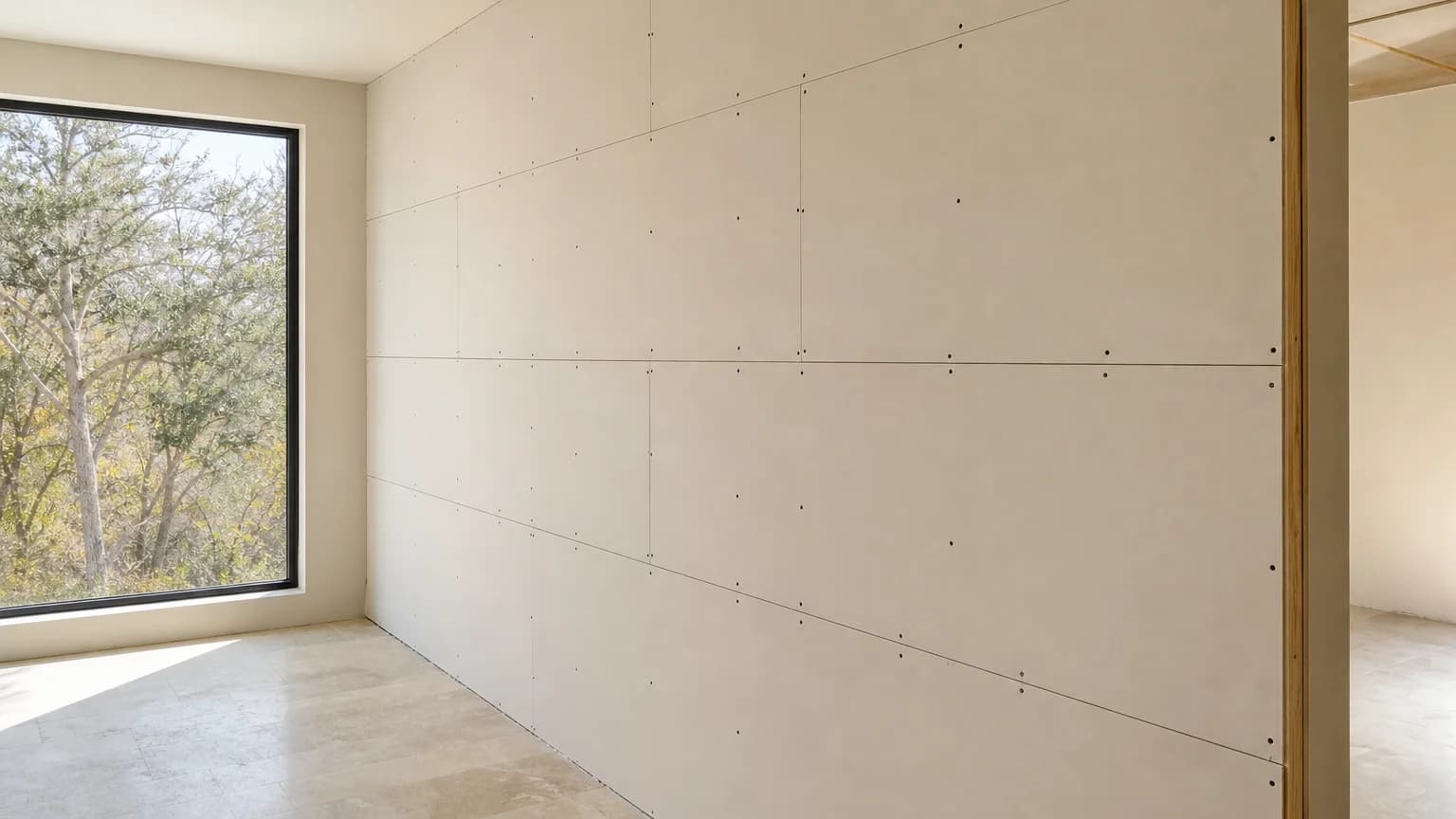
Illustration: New drywall wall panels beside a sunlit window
Illustrative image of this service, not a Douglas Taping job-site photograph.

Drywall wall installation means hanging new sheetrock on vertical surfaces, then preparing those walls for taping, finishing, primer, and paint.

When should a wall get new drywall instead of a patch

A wall should get new drywall instead of a patch when the damaged area is large, the board is missing or soft, old plaster is being replaced, or the whole surface needs to be rebuilt. Patching is better for smaller openings and isolated damage where the surrounding wall is still sound.

New wall drywall also makes sense when a renovation has opened the wall for insulation, wiring, plumbing, or other work. If only one section is damaged, Douglas Taping can discuss whether a patch, a larger replacement section, or full wall installation will produce the cleanest finish.

Related work: Drywall Installation, Drywall Ceiling Installation.

What has to be checked before closing a wall

Before a wall is closed, the work behind it has to be complete and ready to cover. That means framing, backing, insulation, plumbing, electrical, and any required inspection or trade approval should be handled before drywall goes up.

Douglas Taping checks the drywall side of that handoff: whether the surface will sit flush, whether trim transitions make sense, and whether the panel can be fastened cleanly. If old plaster remains beside new drywall, the transition has to be planned so the new wall does not show a ridge after paint.

Related reading: Drywall Installation in Summit: Replacing Plaster While at Home, Basement Drywall Installation in Summit: What to Include in a Quote.

How smooth should new drywall walls be

New drywall walls should be finished to match the room's light, paint sheen, and expectations, not just covered with compound. A closet under flat paint may not need the same finish as a living room wall with side light or a darker, glossier color.

The wall should be taped, feathered, sanded, and checked so seams, corners, and fastener heads do not telegraph through paint. If the surface is high visibility, Douglas may discuss broader finishing or skim coating instead of a basic finish.

Questions about this work

When is wall installation better than patching?

Choose installation when a full wall or large section is missing, damaged, opened for renovation, or being converted from plaster. Patching fits smaller, bounded holes or damage.

Can new drywall be installed over plaster walls?

Sometimes. An overlay can work when the existing plaster is assessed and suitable to stay, but loose, sagging, wet, or failing plaster should not simply be hidden.

Who confirms electrical or plumbing openings are ready to close?

The responsible electrical, plumbing, or inspection professional should confirm the work is ready before the wall is closed. Douglas Taping handles the drywall surface, not the approval of hidden trade work.

Will the new wall be ready for paint?

The wall is taped, compounded, and sanded to the agreed finish level. Primer and finish paint should be listed separately if they are included.

What affects wall installation cost?

Surface area, wall height, panel type, access, demolition, insulation, trim transitions, finish level, and whether other trades must finish first all affect scope.

Get Started

Get a Free Estimate

Send a wide photo, a close-up of the work area, your town or address, and the finish you want after the repair.

Upload up to 5 photos to help us provide an accurate estimate. (Max 10MB each)

Response within 24 hoursPrefer to call? (877) 551-9553